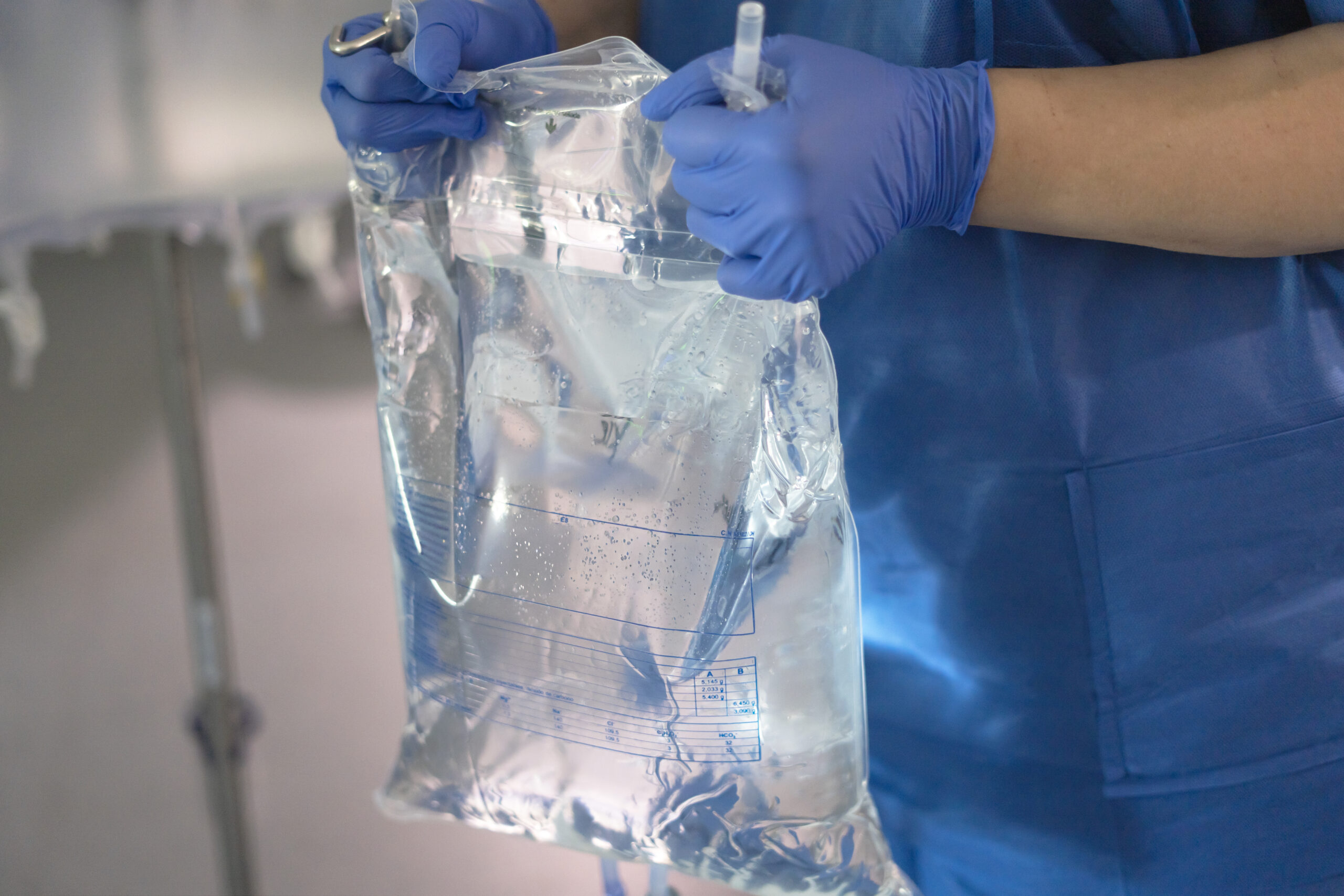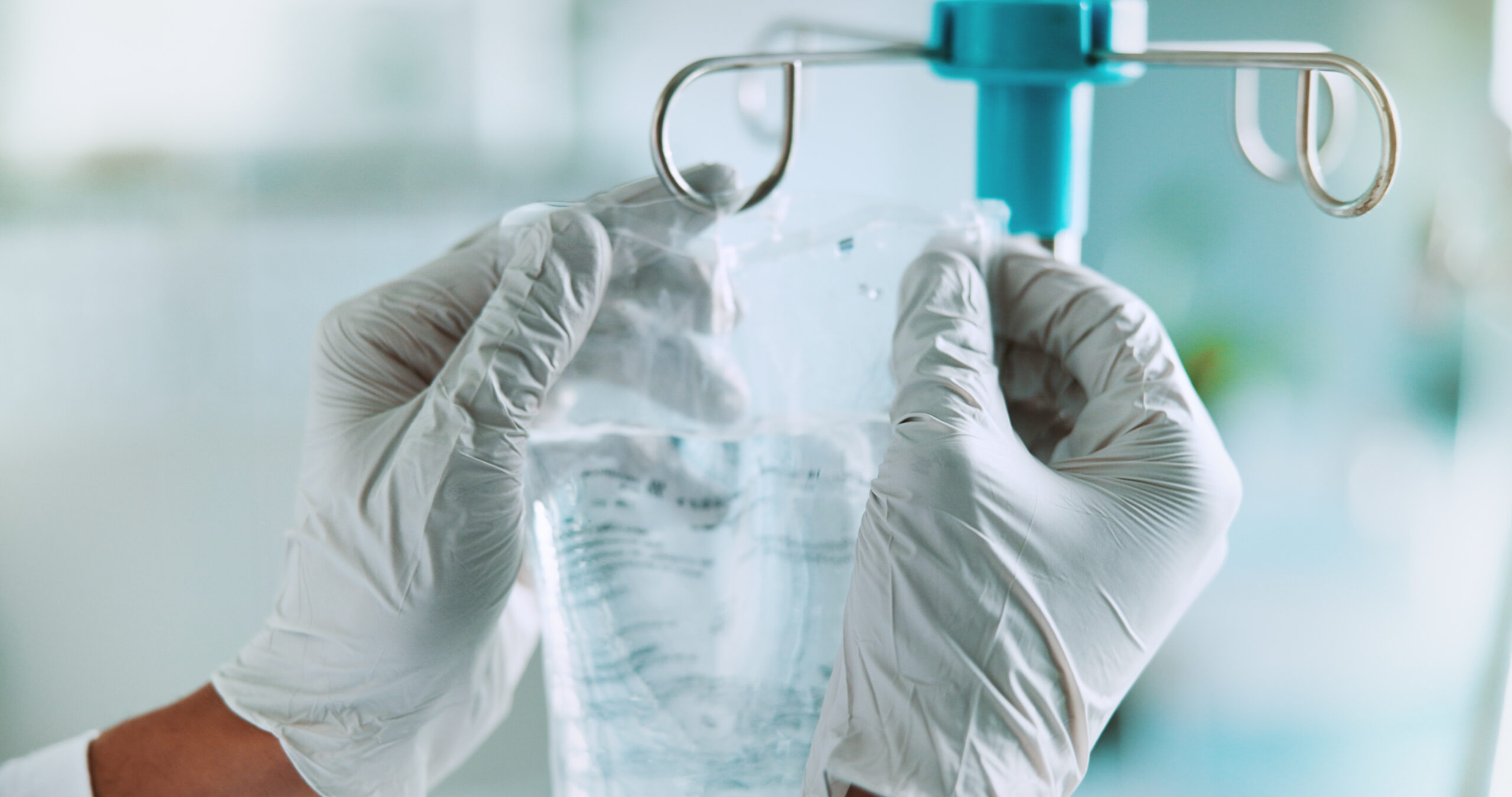

Water is a fundamental building block of life, serving countless purposes across daily activities and medical applications alike. But when it comes to administering medications or injections, not just any water will do.
The water used in these applications plays a critical role in creating solutions that allow our cells to safely absorb and process drugs. Unlike the water that comes straight from your tap at home, this type of water needs to meet very specific safety standards.
Sterile water for injection (SWFI) is a specially prepared, sterile, and nonpyrogenic water that contains no preservatives, antimicrobial agents, or added buffers. It’s designed to be completely clean and safe for use in medical settings, ensuring that medications can be delivered effectively and safely.
In this article, we’ll break down everything you need to know about sterile water for injection in Australia, from what it is, to how it’s used, and why it’s so important for patient safety.
Key Takeaways
|
What is Sterile Water for Injection (SWFI)?
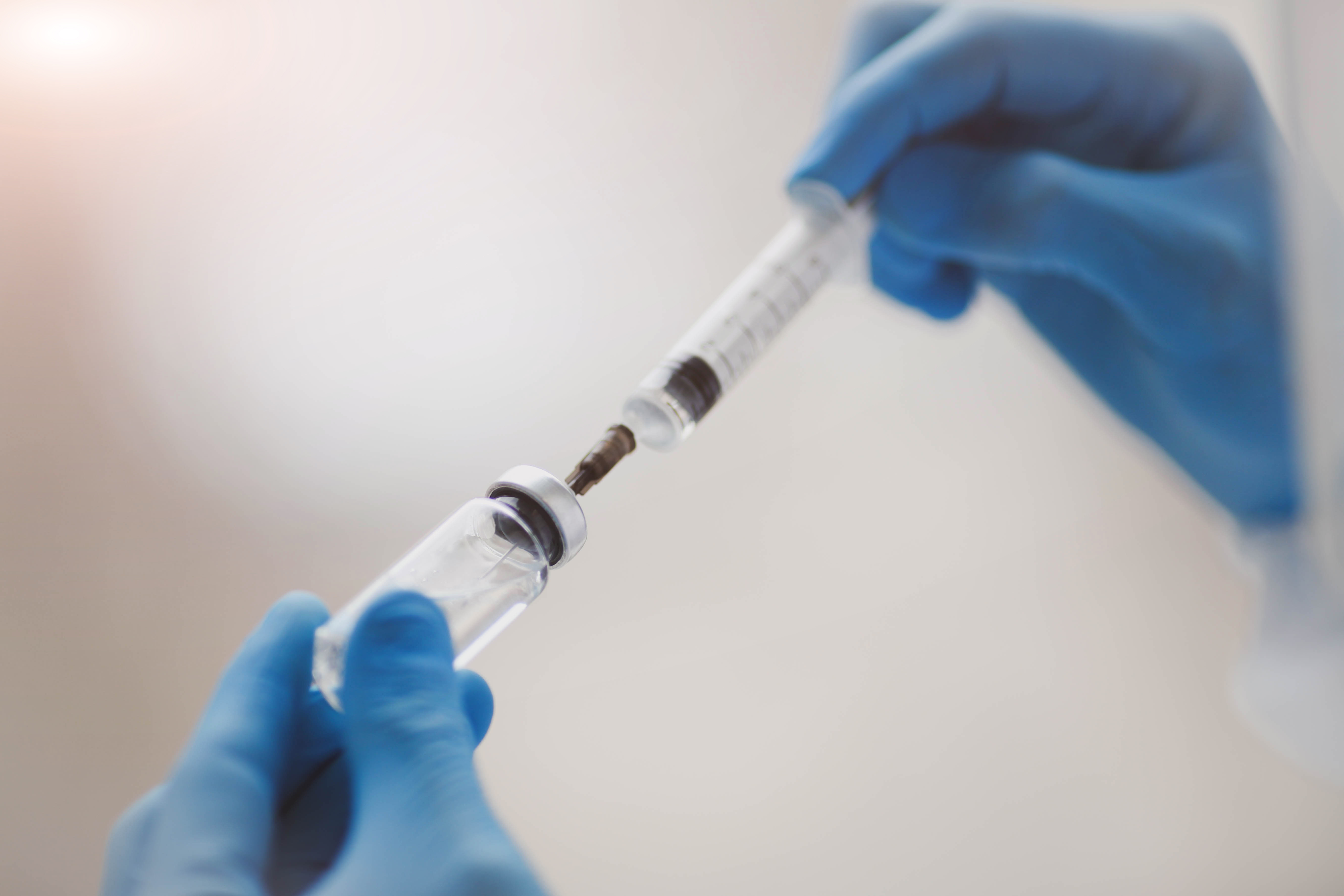
Sterile Water for Injection (SWFI) is a highly purified water used in medical settings to prepare medications that are injected directly into the body (parenteral medications). Unlike the water from your tap, SWFI is completely clean, sterile, and free from substances that could trigger fever (nonpyrogenic solution).
It’s mainly used to dissolve or dilute medications that have been freeze-dried (lyophilised powders) or otherwise need a pure solution to be safely injected. It’s also used in procedures like haemofiltration, haemodiafiltration, peritoneal dialysis, and irrigation solutions – treatments that involve filtering blood, removing toxins, or rinsing body cavities safely.
In short, SWFI provides a completely safe, sterile medium so medications can work effectively without risking infection or adverse reactions.
Key Characteristics of SWFI include:
- Purity: Produced through advanced processes like distillation and reverse osmosis to remove impurities and minerals.
- pH Level: Maintains a safe, neutral pH between 5.0 and 7.0.
- No Additives: Contains no preservatives, antimicrobial agents, bacteriostats, or buffers.
- Safety Checks: Must pass strict tests for particles, pyrogens, and endotoxins, ensuring it’s safe for injection.
SWFI vs Other Medical-Grade Water
| Feature | Sterile Water for Injection (SWFI) | Bacteriostatic Water | Purified Water | Distilled Water |
| Preservatives | None | 0.9% benzyl alcohol | None | None |
| Use After Opening | Single-use, must be used immediately | Can last up to 28 days | Depends on storage | Depends on storage |
| Sterility | Completely sterile and pyrogen-free | Sterile but contains preservative | May contain trace microbes or pyrogens | Not guaranteed sterile |
| Common Use | Reconstituting injectable medications, dialysis solutions, irrigation | Multi-dose injections | General medical applications | General lab or clinical use |
| Safety for Injection | High, approved for parenteral use | Safe for multi-dose use | Not for injection | Not for injection unless further processed |
How Sterile Water is Made
Producing SWFI requires strict processes to ensure it’s completely safe:
- Purification: Municipal water goes through pre-treatment to remove chlorine, contaminants, and particles, followed by advanced purification.
- Filtration & Distillation:
- Reverse Osmosis: Removes salts and impurities.
- Deionisation: Eliminates ions like calcium and magnesium.
- Ultrafiltration: Filters out larger particles.
- Distillation: Boils water and collects condensed steam—still the gold standard.
- Sterilisation: Steam autoclaves, UV treatment, and membrane filtration remove any remaining microbes.
- Quality Control: Tested for microbes, chemical purity, and endotoxins. Only water meeting strict standards (endotoxin <0.25 EU/mL, bacteria <10 CFU/100 mL, pH 5.0–7.0) is released.
Regulatory Standards in Australia
Australian manufacturers follow AS/NZS 4187:2014 standards to ensure the highest quality. Leading brands like Hospira and Pfizer provide SWFI that meets or exceeds these standards, giving healthcare professionals confidence that the water is safe for all approved medical uses.
Uses of Sterile Water for Injection
Sterile Water for Injection (SWFI) is an essential and versatile tool in modern healthcare. Medical professionals rely on it across a variety of settings to ensure medications and procedures are safe, effective, and precise. Here’s how it’s commonly used:
1. Diluting Powdered Medications for Injection
One of the primary uses of SWFI is as a diluent for powdered medications. Many injectable drugs, including antibiotics, vaccines, and hormones, are stored as freeze-dried powders (lyophilized powders) that must be reconstituted before use. Healthcare professionals add precise amounts of sterile water to create injectable solutions with specific concentrations. For example, mixing 2 mL of SWFI with methylprednisolone produces a 125 mg/2 mL solution ready for safe administration. Accuracy is critical to ensure both efficacy and patient safety.
2. Flushing IV Lines
Sterile water for injection (SWFI) is also used to flush intravenous (IV) lines before and after administering medications. Flushing removes any remaining substances, clears blockages, and prevents incompatible drugs from mixing in the same line. This simple but essential step helps avoid adverse reactions and maintains the integrity of IV therapy.
3. Preparing Parenteral Nutrition
In hospitals and clinical settings, sterile water is a key ingredient in parenteral nutrition solutions. Pharmacists use it as a base when compounding IV nutrition products that provide essential nutrients directly into the bloodstream. To create blood-compatible solutions with accurate electrolyte levels, sterile water is combined with components such as sodium chloride (9 g per liter) or dextrose (50 g per liter), ensuring patients receive precisely balanced nutrition.
4. Diagnostic Imaging and Laboratory Applications
Sterile water is often used in diagnostic imaging procedures and laboratory settings. It can act as a control solution or as an ingredient in reagent mixtures that require absolute purity. Using water free of additives or preservatives ensures accurate imaging results and reliable laboratory analyses, where even minor contaminants could compromise outcomes.
Risks and Side Effects of Improper Use
While Sterile Water for Injection (SWFI) is safe and essential when used correctly, improper use can lead to serious complications. Healthcare professionals must handle it with care to ensure patient safety. Here are the key risks:
1. Hemolysis from Direct Intravenous Injection
Injecting sterile water directly into a vein without additives can cause severe hemolysis. Because SWFI is a hypotonic solution (0 mOsm/L), water rushes into red blood cells, causing them to swell and burst. This process can release hemoglobin into the bloodstream, potentially leading to renal failure and, in extreme cases, death.
2. Electrolyte Imbalance and Hypotonic Shock
Improper administration of sterile water can disrupt electrolyte levels, a serious issue in hospital settings. Hypotonic fluids are a leading cause of hospital-acquired hyponatremia, which may result in cerebral edema, seizures, and reduced consciousness. Severe cases can be fatal if left untreated.
3. Tissue Irritation from Subcutaneous Injection
Injecting SWFI under the skin (subcutaneously) can cause burning, irritation, and discomfort at the injection site. The solution’s tonicity, pH, or concentration can interfere with proper drug absorption, reducing effectiveness and causing pain for patients.
4. Infection Risk from Contaminated Vials
Although SWFI is sterile when properly handled, contamination can occur, particularly in multiple-dose vials. Studies show that roughly 5.5% of mishandled vials become contaminated, most commonly with Pseudomonas aeruginosa (28.5%) or Klebsiella pneumoniae (23.8%). Alarmingly, 95.2% of these bacterial strains are multidrug-resistant, highlighting the critical importance of aseptic handling.
5. Allergic Reactions to Preservatives (if present)
By itself, SWFI contains no preservatives. However, some multi-dose or specialised products may include additives that can trigger allergic reactions, such as contact dermatitis, hives (urticaria), or swelling (angioedema) in sensitive individuals.
Safe Handling and Storage Guidelines
Proper handling and storage of Sterile Water for Injection (SWFI) are essential to maintain its safety and effectiveness. Following these guidelines helps prevent contamination and ensures patient safety.
1. Single-Use Vials vs. Multi-Dose Containers
- Single-Dose Vials (SDVs): Intended for use by one patient during a single procedure. These vials do not contain antimicrobial preservatives, making them highly susceptible to bacterial contamination if mishandled. Never use leftover contents for another patient.
- Multi-Dose Vials (MDVs): Contain antimicrobial preservatives that slow bacterial growth, allowing for multiple uses. However, preservatives do not protect against viruses, so best practice is to assign MDVs to a single patient whenever possible.
Patient safety depends on never sharing SDV medications between patients and avoiding the use of leftover SWFI from any vial for future procedures.
2. Visual Inspection for Contaminants
Before use, always perform a thorough visual check:
- Inspect the vial for cracks, leaks, cloudiness, or discolouration.
- Ensure the solution is completely clear, any particles or unusual colour indicates contamination.
- Discard any vials that fail these checks immediately.
This simple step is vital, as contaminated SWFI can lead to serious medical complications.
3. Storage Temperature
- Store SWFI at room temperature (15°C–30°C / 59°F–86°F).
- Keep containers sealed until use and away from direct sunlight.
- Avoid freezing, as this can compromise sterility.
Using high-quality products from trusted brands like Hospira and Pfizer ensures compliance with strict industry standards and consistent reliability.
4. Disposal of Opened or Expired Vials
- Single-Dose Vials: Discard any unused portion immediately after use. Follow the manufacturer’s expiration date for unopened vials.
- Multi-Dose Vials: Can be used for up to 28 days after opening, unless otherwise specified by the manufacturer.
- Compromised Vials: Any vial with broken seals or suspected contamination should be disposed of immediately.
Always follow local regulations for the safe disposal of medical waste to protect both patients and healthcare staff.
How to Properly Use Sterile Water for Injection
Safe and effective treatment relies on using sterile water for injection (SWFI) correctly. Proper preparation and administration minimise risks and ensure medications work as intended.
Step-by-Step Instructions
- Inspect the vial: Check for any particles, cloudiness, discolouration, or packaging damage. If the vial’s port protector is missing or compromised, discard it immediately.
- Prepare the workspace: Clean the working surface thoroughly and wash your hands with soap and water.
- Use aseptic technique: Open the vial carefully without touching the inside of the cap or opening. Always use a new sterile syringe to draw the water.
- Reconstitute the medication: Add the appropriate solute to make the solution approximately isotonic. This step is essential to prevent red blood cell damage. Mix thoroughly until fully dissolved.
- Never inject SWFI alone: Direct injection of sterile water without solutes can cause hemolysis, a dangerous breakdown of red blood cells.
Tips to Avoid Contamination
- Maintain a clean environment and use only sterile equipment.
- Each vial should be used only once. Discard any leftover solution immediately after opening.
- Avoid touching the inside of caps or container openings during preparation.
Follow Dosage and Administration Guidelines
The amount of sterile water required depends on the medication, dose, and administration route. Always follow the manufacturer’s instructions carefully. Making the solution isotonic is critical for safe intravenous administration. Ignoring these guidelines can lead to serious complications, including hemolysis or electrolyte imbalances.
Key Takeaways
Sterile Water for Injection (SWFI) may look like ordinary water, but it is far from it. Through extensive purification, SWFI becomes a safe, sterile medium essential for a wide range of medical procedures in Australia.
Safety is paramount. By understanding how to handle and use SWFI safely, healthcare teams can ensure treatments work as intended and patients stay safe. Recognised by the WHO (World Health Organisation) as an essential medicine, sterile water for injection is a small but vital part of modern healthcare.
At Aussie BacWater, we take pride in offering a carefully curated selection of sterile water and medical dilution products. This commitment to excellence guarantees access to top-quality products that meet and exceed the highest industry standards. Shop online today.

Frequently Asked Questions
How long can sterile water for injection be used after opening?
Sterile water for injection should be used immediately after opening. If there’s any break in aseptic technique during opening or accessing, it must be used within 24 hours. Always discard any unused portion to prevent contamination risks.
What are the key requirements for water used in injections?
Water for injection must contain no added substances and be designed to prevent microbial contamination and endotoxin formation. The production system must be validated and properly maintained to ensure the highest purity standards.
Is it safe to drink sterile water for injection?
No, sterile water for injection is not intended for oral consumption. It is specifically designed for use in preparing parenteral solutions for injection or infusion under medical supervision.
How should sterile water for injection be stored?
Sterile water for injection should be stored at controlled room temperature, typically between 15°C and 30°C (59°F to 86°F). Keep containers tightly closed and away from direct sunlight until needed.
What are the primary uses of sterile water for injection?
Sterile water for injection is primarily used for reconstituting powdered medications, flushing IV lines to prevent drug mixing, preparing parenteral nutrition solutions, and as a component in certain diagnostic imaging procedures.