
Bacteriostatic Saline vs Preservative-Free Saline Explained: Uses, Safety & Key Differences
Bacteriostatic saline and preservative-free saline are often mistaken for the same product. Visually, they are nearly identical. Functionally, they serve distinct purposes, and the difference between them has meaningful implications for patient safety, shelf life, and clinical suitability.
But, what are the differences?
In this guide we outline the composition of each solution, the applications for which they are indicated, the regulatory safety considerations that govern their use, and the practical criteria for selecting the appropriate option. Whether you are purchasing for a clinic, comparing products for procedural use, or simply seeking a clearer understanding of how these solutions differ, this article will help you make an informed and confident decision.
What Is Saline, and Why Does the Type Matter?
Saline is a solution of 0.9% sodium chloride in sterile water. At this concentration, it is isotonic with Saline is a sterile solution made from 0.9% sodium chloride dissolved in water. This concentration closely matches the natural salt balance of human plasma, making it gentle on cells and tissues and suitable for a wide range of medical and clinical uses.
Because it is isotonic, saline is commonly used as a diluent for reconstituting powdered medications, a flushing solution for intravenous lines, and an irrigation solution for wounds, nasal passages, and eye care. It is a simple but essential product used across hospitals, clinics, and compounding settings.
While the core formula remains the same, not all saline products are intended for the same use. The key difference lies in whether the solution contains a preservative. That single variation affects how the product can be stored, how long it can be used after opening, whether it is packaged for single or multiple use, and which patients it is considered appropriate for.
These factors form the basis of the distinction between bacteriostatic saline and preservative-free saline.
What Is Bacteriostatic Saline?
Bacteriostatic saline is a sterile 0.9% sodium chloride solution that also contains 0.9% benzyl alcohol. The benzyl alcohol acts as a preservative, helping to slow or prevent the growth of many common bacteria if the vial is entered more than once. This is what makes the solution “bacteriostatic.”
Importantly, the preservative does not re-sterilise the vial after use or make poor handling safe. Proper storage, clean technique, and aseptic handling are still essential every time the vial is accessed.
Because it contains a preservative, bacteriostatic saline is commonly supplied for multi-dose use. When handled according to product guidelines, a single vial can often be used repeatedly for a limited period after opening, making it a practical option for settings where the same solution is needed regularly over days or weeks.
This convenience is one reason bacteriostatic saline is widely used for reconstituting peptides, compounded medications, and injectable powders intended for adult patients. It can reduce waste, improve workflow efficiency, and provide greater flexibility where repeated access is required.
For further background on the chemistry of bacteriostatic solutions, see our detailed comparison of bacteriostatic water vs. sterile water.
What Is Preservative-Free Saline?
Preservative-free saline is a sterile solution of 0.9% sodium chloride in water with no added preservatives, antimicrobial agents, or stabilisers. It contains only the essential ingredients needed to create an isotonic saline solution.
Because there are no added agents, preservative-free saline is chosen for situations where even small additives may be inappropriate, irritating, or carry additional clinical risk. For this reason, it is commonly regarded as the preferred option for sensitive patient groups and for specific routes of administration where product purity is especially important.
Unlike bacteriostatic saline, preservative-free saline offers no protection against microbial growth once the container has been punctured or opened. As a result, it is typically supplied and classified as a single-use product. Any remaining solution after the first access should be discarded to reduce contamination risk. This is an intentional safety standard, not a disadvantage of the product.
Common uses include neonatal and paediatric care, intrathecal and epidural procedures, ophthalmic applications, and wound or nasal irrigation for patients with known preservative sensitivities or when a preservative-free solution is clinically preferred.
Bacteriostatic Saline vs Preservative-Free Saline: Key Differences At A Glance
| Feature | Bacteriostatic Saline | Preservative-Free Saline |
| Composition | 0.9% NaCl + 0.9% benzyl alcohol | 0.9% NaCl only |
| Preservative | Yes (benzyl alcohol) | None |
| Vial type | Multi-dose | Single-use |
| Shelf life after opening | Up to 28 days (refrigerated) | Use immediately, discard remainder |
| Suitable for neonates | No | Yes |
| Common uses | Reconstitution of medications and peptides | Paediatric care, intrathecal use, wound irrigation |
| Cost-efficiency per dose | Higher (multi-dose) | Lower (single-use only) |
💧In summary: bacteriostatic saline is designed for repeated access over an extended period, while preservative-free saline is designed for purity in applications where any additive is clinically inappropriate.

When to Use Bacteriostatic Saline
Bacteriostatic saline is the appropriate choice when multi-dose access and extended vial life are clinical or operational priorities. Indicated scenarios include:
- Reconstitution of peptides and compounded medications administered over a dosing schedule of several days or weeks
- Protocols requiring repeated withdrawal from a single vial, including certain research and therapeutic applications
- Workflows where cost-per-dose is a factor and the patient population is suitable for preserved solutions
- Adult patients with no documented sensitivity to benzyl alcohol
Where repeated access is part of the workflow and the patient profile permits, bacteriostatic saline is typically the more efficient and practical option.
When to Use Preservative-Free Saline
Preservative-free saline is used whenever benzyl alcohol is contraindicated or where the application requires a solution free of additives. Primary indications include:
- Neonates and young infants, for whom benzyl alcohol exposure carries documented risk
- Intrathecal, epidural, or intraocular administration
- Patients with confirmed sensitivity or allergy to benzyl alcohol
- Wound irrigation and nasal rinsing where a preservative-free formulation is clinically preferred
- Pregnancy and lactation protocols in which a healthcare provider has specified preservative-free solutions
In any case involving a sensitive patient population or an unusual route of administration, preservative-free saline should be treated as the default.
Safety Considerations
Benzyl alcohol is well tolerated by most adult patients at the concentrations used in bacteriostatic saline. However, several specific circumstances warrant the use of preservative-free saline instead.
- Gasping Syndrome in Neonates: Benzyl alcohol has been associated with gasping syndrome, a serious and potentially fatal condition observed in neonates, particularly premature infants. Regulatory authorities have issued formal warnings against the use of benzyl alcohol preserved solutions in this population.
- Allergies and Sensitivities: Although uncommon, hypersensitivity reactions to benzyl alcohol have been documented. For patients with a confirmed or suspected sensitivity, preservative-free saline is the clinically appropriate choice.
- Route of Administration: Benzyl alcohol is contraindicated for intrathecal, epidural, and intraocular administration. Clinicians uncertain about compatibility between a given route and a preserved solution should consult established guidelines or regulatory resources, including those published by the Therapeutic Goods Administration.
- Aseptic Technique: Regardless of the solution selected, proper handling is critical to maintaining sterility and preventing contamination.
Storage, Handling, and Shelf Life
Appropriate storage and handling are essential to preserving the integrity of both solutions.
- Bacteriostatic saline: Store unopened vials at room temperature, protected from direct light. Once opened, refrigerate between 2°C and 8°C and use within 28 days.
- Preservative-free saline: Store unopened vials at room temperature. Once opened, use immediately and discard any remaining solution.
- Inspect every vial for cloudiness, discolouration, or particulate matter prior to use. Discard any vial that shows signs of contamination or degradation.
- Document the date of first puncture on opened bacteriostatic vials to ensure accurate tracking of the 28-day usability window.
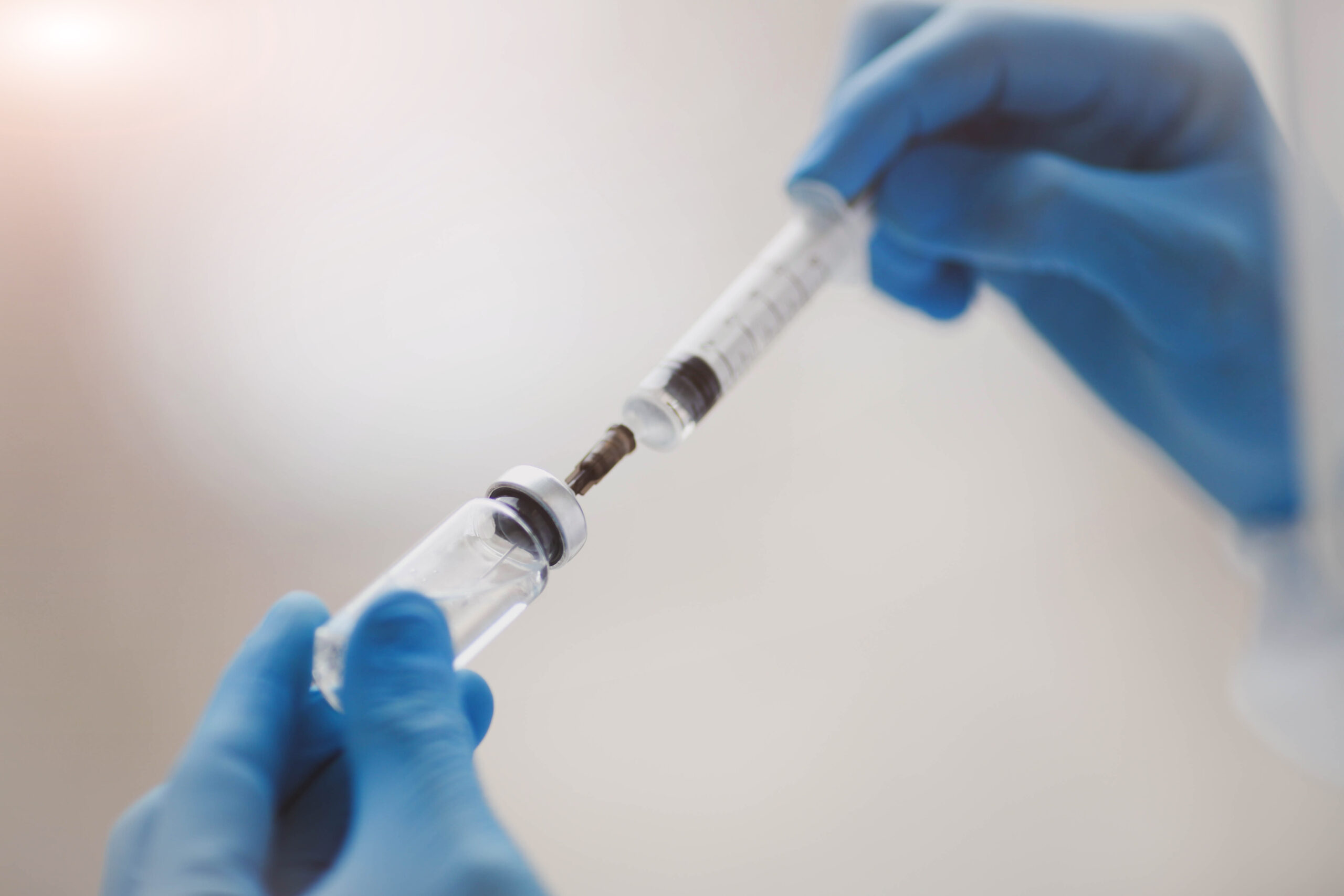
🙏 Handling practice is equally important. The rubber stopper should be disinfected with an alcohol swab before each access, a new sterile needle should be used for every withdrawal, and contact with the stopper or needle by ungloved or contaminated hands should be avoided.
How to Select the Appropriate Saline
Product selection can be guided by a small number of clinical and operational criteria:
- Will the vial require more than one access? If yes, bacteriostatic saline is generally indicated.
- Is the patient a neonate, pregnant, lactating, or known to be sensitive to benzyl alcohol? If yes, preservative-free saline is required.
- Is the route of administration intrathecal, epidural, or intraocular? If yes, preservative-free saline is the only acceptable option.
- Is cost-per-dose a priority, and is the use case standard adult reconstitution? Bacteriostatic saline offers superior cost efficiency.
For additional guidance on sourcing and evaluating suppliers, refer to our resource on buying bacteriostatic sodium chloride.
Bacteriostatic Saline vs Preservative-Free Saline: The Bottom Line
Neither bacteriostatic saline nor preservative-free saline is universally “better.” Each serves a different purpose, and the right choice depends on the clinical context. Key factors include who the patient is, how the solution will be administered, and whether the vial is intended for single use or repeated access.
Bacteriostatic saline is often preferred when a multi-dose format is needed, as the preservative supports repeated use within approved handling guidelines and can improve efficiency in ongoing workflows. Preservative-free saline is typically selected when product purity is the priority, particularly for sensitive patient groups or administration routes where preservatives may be unsuitable.
Once these factors are clear, choosing between the two products becomes far more straightforward. If there is any uncertainty, the safest course is to seek advice from a qualified healthcare professional or pharmacist.
For a reliable Australian source of compounding-grade solutions, browse the Aussie Bac Water range or contact our team for product guidance tailored to your application.
Frequently Asked Questions
Can bacteriostatic saline be used in place of preservative-free saline?
In certain adult reconstitution scenarios, the two may be interchangeable. However, bacteriostatic saline should never be substituted for preservative-free saline in neonates, in intrathecal or epidural administration, or in patients with a known sensitivity to benzyl alcohol.
Is preservative-free saline safer than bacteriostatic saline?
Neither solution is inherently safer. Each is formulated for specific clinical contexts. Preservative-free saline is the safer option for sensitive populations and restricted routes of administration, while bacteriostatic saline provides enhanced microbial stability for multi-dose applications.
How long does bacteriostatic saline last once opened?
Bacteriostatic saline remains usable for up to 28 days after initial puncture, provided it is refrigerated between 2°C and 8°C and accessed using proper aseptic technique. The date of first puncture should always be recorded on the vial.
Can bacteriostatic saline be used for injections?
Yes. Bacteriostatic saline is widely used as a diluent for injectable medications in adult patients. It is not indicated for neonatal injections or for intrathecal administration. Clinical decisions should always be guided by a qualified healthcare professional.
Is bacteriostatic saline the same as bacteriostatic water?
No. Bacteriostatic water is sterile water combined with benzyl alcohol, whereas bacteriostatic saline also contains 0.9% sodium chloride, making it isotonic. The two are not interchangeable. For a complete comparison, refer to our article on bacteriostatic water vs. sterile water.
Where can bacteriostatic saline be purchased in Australia?
Bacteriostatic saline can be obtained directly from Aussie Bac Water. Our range of compounding-grade solutions is clearly labelled, consistently stocked, and dispatched via reliable domestic shipping.