
Many peptides don’t arrive ready to use. Instead, they come as a freeze-dried powder that needs to be reconstituted before it can be accurately administered. Understanding how peptides are prepared and stored is essential for maintaining their quality and usability.
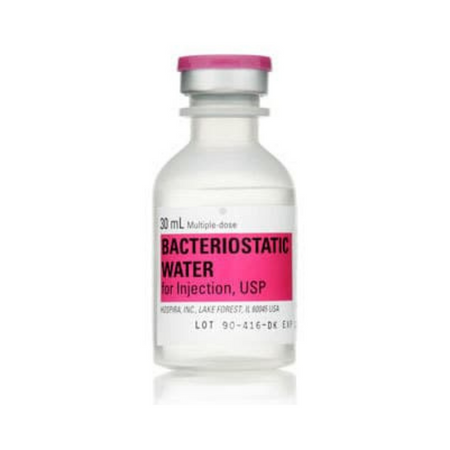
Bacteriostatic water plays a critical role in this process. It is a sterile solution containing 0.9% benzyl alcohol, which not only dissolves freeze-dried peptides into a measurable liquid but also helps inhibit the growth of bacteria once the vial has been opened. This preservative makes it suitable for multi-dose use when handled correctly, helping to reduce the risk of contamination while maintaining the integrity of the peptide.
In this guide, we’ll explain what peptides are, why they’re supplied as a freeze-dried powder, and the role bacteriostatic water plays in the reconstitution process. We’ll also cover the basics of proper mixing, handling, and storage to help maintain peptide quality.
If you’re using prescribed or compounded peptides, always follow the preparation, dosing, storage, and administration instructions provided by your healthcare professional or pharmacist. Requirements can vary between products, and using the correct reconstitution method is essential for maintaining the peptide’s safety, stability, and effectiveness
What Are Peptides?
Peptides are short chains of amino acids, the building blocks that make up proteins. They are smaller and less complex than proteins, which typically contain between 2 and 50 amino acids linked together in a specific sequence.
Some peptides occur naturally in the body, where they act as signalling molecules that help regulate functions such as hormone production, immune responses, tissue repair, metabolism, and cell communication.
💡Well-known examples include insulin, which helps regulate blood sugar levels, and oxytocin, a hormone involved in childbirth, breastfeeding, and social bonding. Other peptides are developed in laboratories to replicate or influence these natural processes for therapeutic or research purposes.
How Do Peptides Work?
Peptides work by binding to specific receptors on the surface of cells, much like a key fits into a lock. Once attached, they send targeted instructions that trigger a biological response. Depending on the peptide, this may involve stimulating hormone release, supporting tissue repair, regulating inflammation, or influencing communication between cells.
The sequence of amino acids within a peptide determines exactly how it behaves. Even a small change to this sequence can alter its structure and affect how well it binds to its target receptor. This highly specific structure is what allows peptides to perform precise functions within the body.
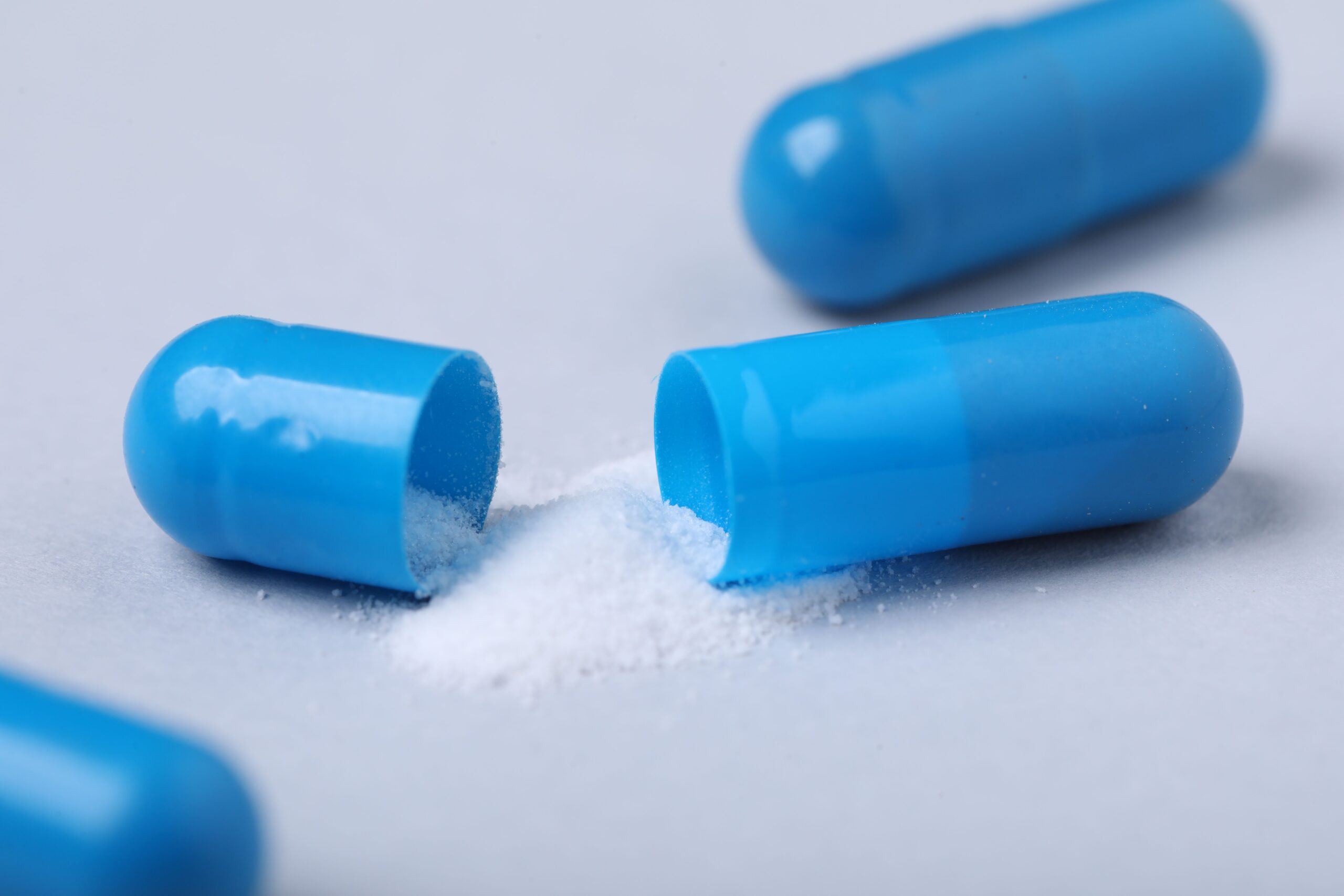
Because their structure is so important, peptides require careful handling once they’re manufactured. Many are supplied as a freeze-dried (lyophilised) powder rather than a liquid because this form offers greater stability during transport and storage. Before they can be used, they must be reconstituted with an appropriate diluent, such as bacteriostatic water, using the correct technique to help preserve their integrity.
Where Are Peptides Used?
Thanks to their ability to target specific biological processes, peptides are used across a wide range of medical, cosmetic, and research applications. Some of the most common include:
- Prescription medicines: Peptides are used in approved treatments for conditions such as diabetes, hormone deficiencies, and obesity.
- Skincare products: Certain peptides are included in creams and serums to support collagen production, improve skin firmness, and reduce the appearance of fine lines.
- Scientific research: Researchers study peptides to better understand disease processes and develop new therapies.
- Nutritional and fitness products: Some peptide-based supplements, such as collagen peptides, are marketed to support joint health, recovery, and muscle function, although the level of scientific evidence varies depending on the product and its intended use.
Regardless of how they’re used, peptides are highly specialised molecules whose effectiveness depends on maintaining their structure. This is why proper reconstitution, handling, and storage are so important after they’re removed from their freeze-dried state.
Why Are Many Peptides Sold as a Freeze-Dried Powder?
Stability. A dissolved peptide is exposed to heat, light and pH changes from the moment it’s mixed, all of which speed up degradation. A freeze-dried powder avoids most of that, which is why peptides sold in liquid form typically carry a much shorter shelf life than the same peptide sold as a powder.
The dry form is also easier and cheaper to ship. Freeze-dried products don’t need to be kept cold in transit the way a pre-mixed liquid would, and they’re lighter and more stable if a delivery gets delayed or sits in a hot mailbox for a few hours. Once the peptide arrives, though, it still needs to go straight in the fridge, and reconstitution should happen only when you’re ready to start using it.
What Is Bacteriostatic Water?
Bacteriostatic water is a sterile water solution that’s specifically designed for reconstituting certain injectable medications, including many freeze-dried peptides. Unlike plain sterile water, it contains 0.9% benzyl alcohol, a preservative that helps inhibit the growth of bacteria after the vial has been opened.
It’s important to understand that bacteriostatic water doesn’t kill bacteria. Instead, it slows or prevents bacteria from multiplying if they’re introduced during normal handling. This extra level of protection helps reduce the risk of contamination when the same vial is used multiple times, provided it’s handled using proper sterile technique.
Because of this preservative, an opened vial of bacteriostatic water can generally be used for up to 28 days, as long as it’s stored according to the manufacturer’s instructions and each use follows appropriate hygiene practices.
Bacteriostatic Water vs Sterile Water
| Bacteriostatic Water | Sterile Water for Injection |
| Contains 0.9% benzyl alcohol preservative | Contains no preservative |
| Suitable for multiple withdrawals (up to 28 days after opening when stored correctly) | Intended for single use only |
| Commonly used for peptides and other medications requiring repeated doses | Best suited for medications prepared and used immediately |
| Helps inhibit bacterial growth between uses | Provides no protection against bacterial growth once opened |
In most cases, bacteriostatic water is the preferred option for peptide reconstitution, particularly when a vial will be used over multiple doses. If the entire peptide vial is being prepared and administered in a single use, sterile water may be appropriate where recommended by the manufacturer or healthcare provider.
| Important: Bacteriostatic water is not suitable for every patient or medication. For example, products containing benzyl alcohol are generally not recommended for use in newborns due to the risk of benzyl alcohol toxicity. Always follow the instructions provided with your medication and seek advice from your healthcare professional or pharmacist if you’re unsure which diluent should be used. |
What Does Bacteriostatic Water Do for Peptides?
- Reconstitutes Freeze-Dried Peptides: The water gently dissolves the powder, creating a solution that can be accurately measured and drawn into a syringe. To protect the peptide’s structure, bacteriostatic water should be added slowly down the inside wall of the vial rather than injected directly onto the powder, and the vial should be gently swirled rather than shaken.
- Helps Maintain Sterility Between Doses: Many peptide protocols require multiple doses from the same vial over several days or weeks. Each time the vial is accessed, there’s a small risk of introducing bacteria through the rubber stopper. The benzyl alcohol in bacteriostatic water helps inhibit the growth of bacteria between uses, reducing the risk of contamination when the vial is handled correctly.
- Supports Accurate Dosing: Once the peptide has been fully dissolved, it forms a solution with a known concentration. This allows each dose to be measured accurately and consistently, helping ensure the correct amount is administered every time. The concentration of the final solution depends on how much bacteriostatic water is added during reconstitution.
Read More: Bacteriostatic Water Reconstitution Guide
- Helps Preserve the Peptide During Storage: After reconstitution, peptides should typically be stored in the refrigerator according to the product’s instructions. When combined with proper storage and sterile handling, bacteriostatic water helps maintain a stable environment for the peptide while it’s being used over time.
| Most opened vials of bacteriostatic water are suitable for use for up to 28 days, although the stability of the reconstituted peptide itself may vary depending on the specific product. Always refer to the manufacturer’s recommendations or your healthcare provider’s advice for storage conditions and expiry after reconstitution. |
How to Reconstitute Peptides With Bacteriostatic Water
Reconstituting peptides is a straightforward process, but it should always be done carefully using sterile technique. Correct preparation helps preserve the peptide’s structure, supports accurate dosing, and reduces the risk of contamination.
It’s important to remember that every peptide has its own reconstitution instructions, including the recommended amount of bacteriostatic water to use. Always follow the manufacturer’s directions or the advice of your healthcare professional, as these instructions take priority over general guidance.
- Prepare a clean workspace by washing your hands thoroughly and disinfecting the work surface.
- Clean both vial stoppers using separate alcohol swabs and allow them to air dry completely before use.
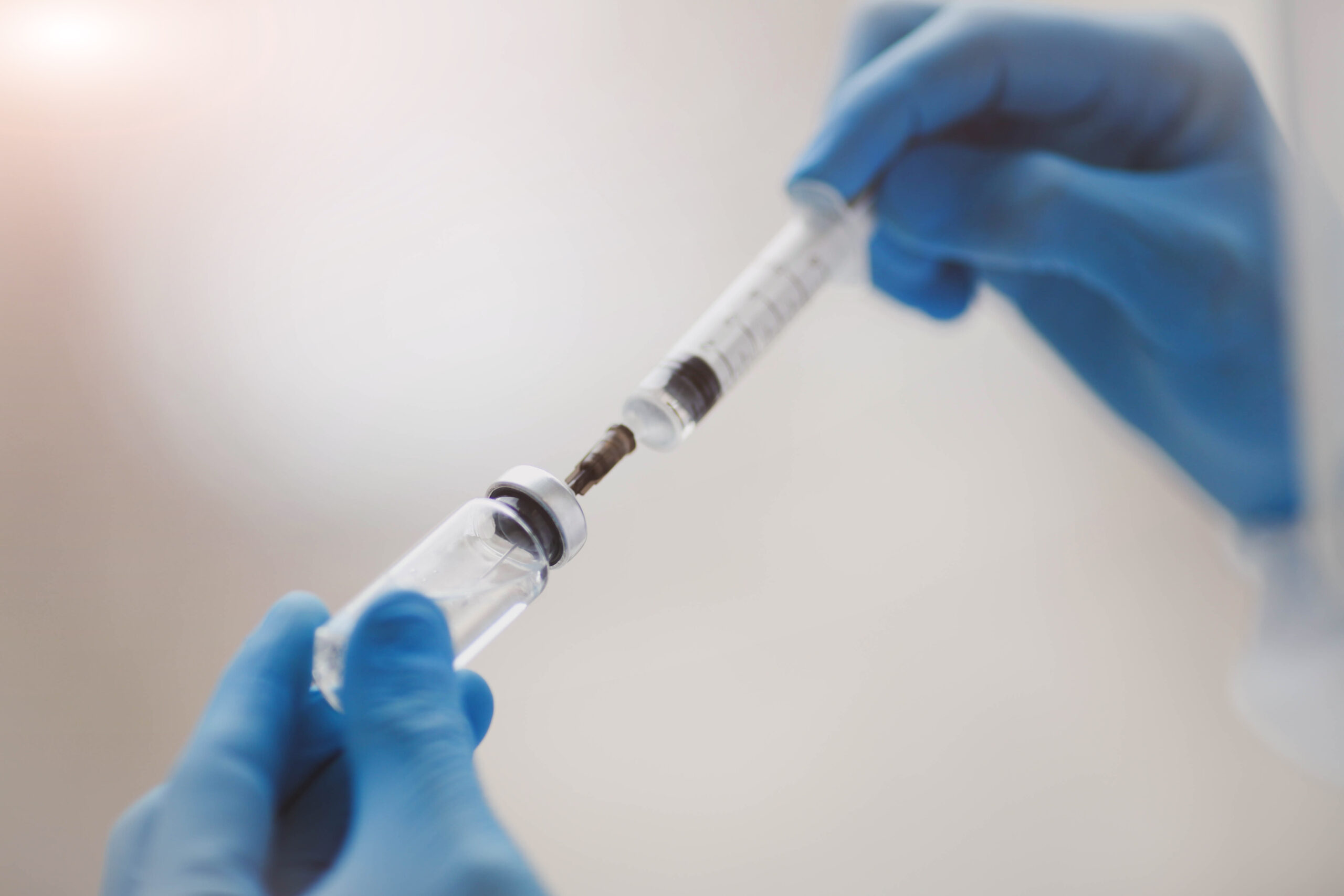
- Draw the recommended amount of bacteriostatic water into a new sterile syringe.
- Slowly inject the water into the peptide vial, directing it down the inside wall of the vial rather than directly onto the powder. This helps minimise foaming and protects the peptide’s structure.
- Allow the peptide to dissolve naturally, gently rolling or swirling the vial if needed. Avoid shaking the vial, as excessive agitation may damage some peptides.
- Inspect the solution before use. It should appear clear and free from visible particles unless otherwise stated in the product instructions.
Common Mistakes to Avoid
Even small mistakes during reconstitution can affect the quality of the peptide. Some of the most common include:
- Injecting the water directly onto the freeze-dried powder instead of down the side of the vial.
- Shaking the vial vigorously instead of gently rolling or swirling it.
- Reusing syringes or needles, even if they were only used moments earlier.
- Failing to disinfect vial stoppers before each use.
- Using the solution if it appears cloudy, discoloured, or contains visible particles.
- Guessing the amount of bacteriostatic water to add instead of following the product-specific instructions.
How Should Reconstituted Peptides Be Stored?
Proper storage is just as important as proper reconstitution. Once mixed, most peptides should be refrigerated between 2°C and 8°C to help maintain their stability and reduce degradation over time. They should also be kept away from direct light and excessive heat.
Although a peptide solution may continue to look clear, exposure to warmer temperatures can gradually reduce its potency. For this reason, reconstituted peptides should be returned to the refrigerator immediately after use. Storing them on an internal shelf, rather than in the refrigerator door where temperatures fluctuate, can also help maintain a more consistent environment.
💡It’s also good practice to label the vial with the date it was reconstituted. This makes it easier to track how long the solution has been stored and when it should be discarded.
Safety Considerations When Handling Peptides
Correct handling is essential for maintaining the safety, sterility, and quality of reconstituted peptides. Even when bacteriostatic water is used, contamination can still occur if the vial isn’t handled properly
Each time you draw a dose, you should:
- Wash your hands before handling the vial.
- Clean the rubber stopper with a fresh alcohol swab and allow it to dry completely.
- Use a new, sterile needle and syringe for every withdrawal.
- Avoid repeatedly puncturing the exact same spot on the rubber stopper, as this can damage the stopper and increase the chance of small rubber particles entering the solution.
- Return the vial to the refrigerator promptly after use, following the manufacturer’s storage instructions.
Common Myths About Bacteriostatic Water and Peptides
Myth: Bacteriostatic Water Makes Peptides More Effective
It doesn’t. It dissolves the powder and preserves the resulting solution. Nothing about the water itself changes what the peptide does once it’s in solution.
Myth: Any Water Can Be Used
Tap water, distilled water and even plain sterile water all carry contamination risks that bacteriostatic water is specifically formulated to reduce for multi-dose use. Substituting the wrong water is one of the fastest ways to ruin a vial.
Myth: Bacteriostatic Water Prevents All Contamination
It slows bacterial growth. It doesn’t sterilise the vial on contact, and it doesn’t make poor technique safe. Fresh swabs, fresh needles and correct storage still do most of the actual work.
Conclusion
Understanding what peptides are and how bacteriostatic water works is an important first step in using these products safely and effectively. While bacteriostatic water is often thought of as simply a mixing solution, it plays a much bigger role by helping reconstitute freeze-dried peptides, supporting accurate dosing, and reducing the risk of bacterial growth during multi-dose use.
Equally important is following the correct reconstitution, handling, and storage practices. Using sterile technique, storing peptides under the recommended conditions, and following product-specific instructions all help maintain the peptide’s quality and stability throughout its intended use.
If you’re using prescribed or compounded peptides, always follow the guidance provided by your healthcare professional or pharmacist, as preparation and storage requirements can vary between products. Taking the time to understand these fundamentals will help ensure your peptides are prepared correctly and handled safely from the first dose to the last.
Explore Our Bacteriostatic Water Range
We stock sterile 0.9% benzyl alcohol bacteriostatic water from trusted manufacturers. Browse our range to learn more about our products and find the option that best suits your requirements.
Always use products in accordance with the manufacturer’s instructions and the advice of your healthcare professional.