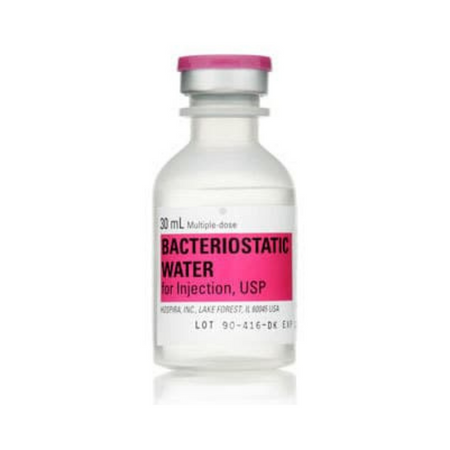

Bacteriostatic water reconstitution refers to the preparation of certain products using bacteriostatic water as a diluent, where appropriate according to the product manufacturer’s instructions. Bacteriostatic water contains a preservative, commonly 0.9% benzyl alcohol. This guide provides general information about bacteriostatic water, sterile handling considerations and reconstitution.
Whether you’re a healthcare professional or an individual managing treatment at home, using the correct mixing technique helps ensure the medication is prepared accurately, maintains its effectiveness, and reduces the risk of contamination or dosing errors.
For additional product information about bacteriostatic water for injection, refer to official prescribing information
DailyMed
DailyMed
*While this article provides general information, it should never replace the instructions provided by your prescribing doctor, pharmacist, or the medication manufacturer. Always follow the preparation and dosage guidelines specific to your medication, and seek professional advice if you’re ever unsure.
Bacteriostatic Water Reconstitution: How It Works
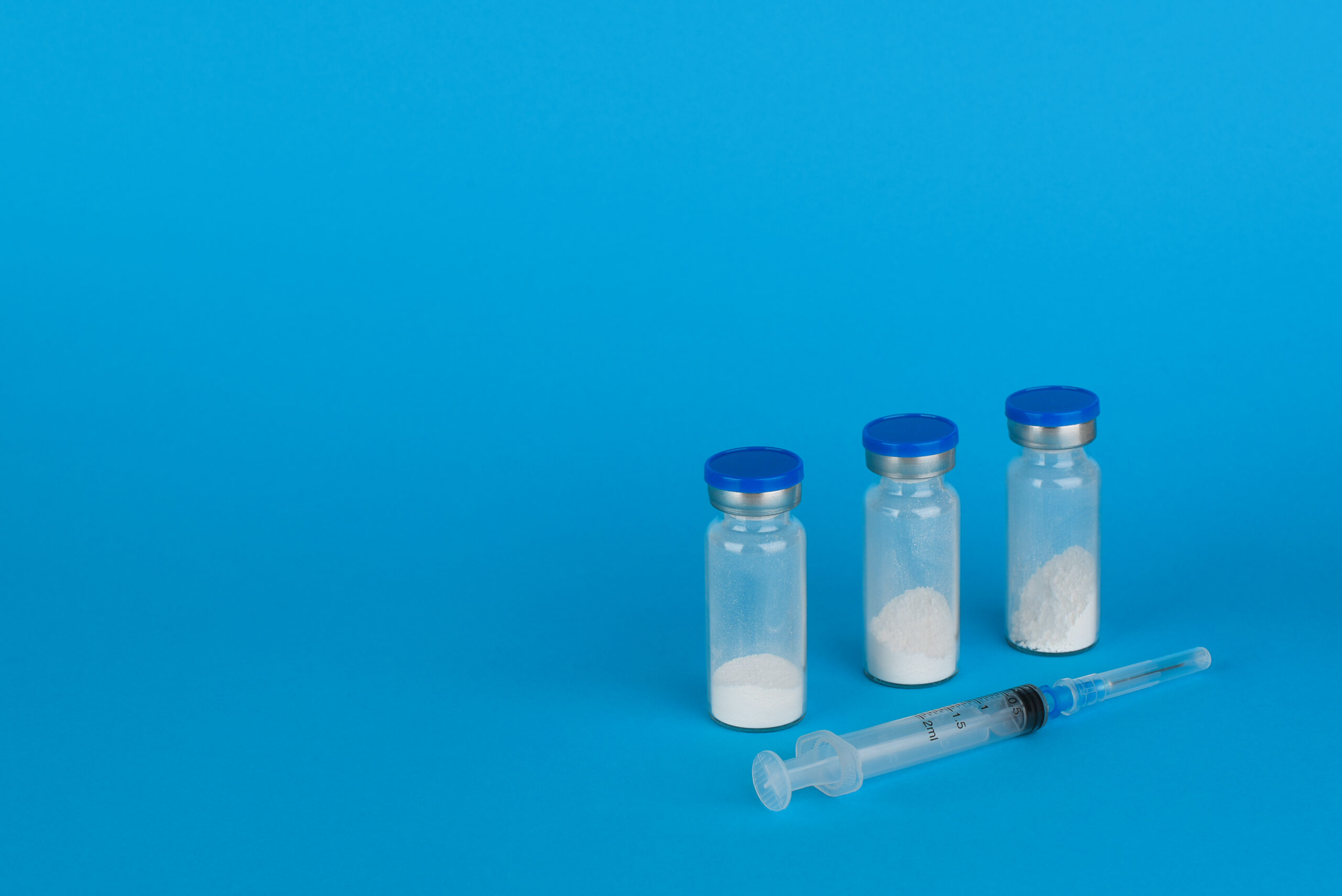
Many injectable medications are supplied as a freeze-dried powder rather than a liquid. This process, known as lyophilisation, helps keep medications stable during manufacturing, transport, and storage. Before these medications can be administered, they must first be mixed with a suitable diluent (reconstitution)
For additional product information about bacteriostatic water for injection, refer to official prescribing information and the product manufacturer’s instructions.
Bacteriostatic water is one of the most commonly used diluents for this purpose. It is sterile water for injection containing 0.9% benzyl alcohol, which acts as a preservative to help inhibit bacterial growth after the vial has been opened. Unlike plain sterile water, bacteriostatic water is designed for multiple withdrawals from the same vial when used and stored according to the manufacturer’s instructions. In many cases, an opened vial may be used for up to 28 days, although you should always refer to the product label and your healthcare provider’s guidance.
What Makes Bacteriostatic Water Different?
The key difference between bacteriostatic water and sterile water is the addition of benzyl alcohol. This preservative helps slow the growth of bacteria inside the vial after it has been punctured, making it suitable for medications that require multiple doses over several days or weeks.
By comparison, sterile water for injection contains no preservative and is intended for single-use only. Once opened, it should generally be discarded after use to minimise the risk of contamination.
Another option you may encounter is bacteriostatic sodium chloride (preserved saline). While it also contains a preservative, it includes sodium chloride instead of plain water and may be recommended for specific medications. Some healthcare providers also prefer preserved saline for medications that may cause discomfort during injection.
Why Is Reconstitution Necessary?
Not all medications remain stable as a liquid for long periods. Supplying them as a powder helps preserve their potency until they are needed. During reconstitution, the prescribed amount of bacteriostatic water is added to the vial, dissolving the powder into a solution that can be accurately measured and administered.
Using the correct amount of diluent is essential. It determines the final concentration of the medication, which directly affects dosage accuracy. Adding too much or too little bacteriostatic water can make it difficult to measure the correct dose and may reduce the effectiveness of treatment or increase the risk of medication errors.
Medications Commonly Reconstituted with Bacteriostatic Water
Depending on the manufacturer’s recommendations and your healthcare provider’s instructions, bacteriostatic water may be used to reconstitute a range of injectable medications, including:
- Injectable peptides
- Certain hormone therapies
- Some antibiotics
- Various specialty injectable medications
💡Not every injectable medication should be mixed with bacteriostatic water. Some products specifically require sterile water or another approved diluent, while others are supplied ready to use and should never be reconstituted.
Always Follow the Recommended Instructions
The appropriate diluent depends on the medication being prepared. Before reconstituting any injectable medication, always read the manufacturer’s instructions and follow the advice provided by your prescribing doctor or pharmacist. Using the wrong diluent or incorrect mixing technique can affect medication stability, dosing accuracy, and patient safety.

Preparing Before You Mix Medications
Although bacteriostatic water contains a preservative that helps inhibit bacterial growth, it cannot prevent contamination caused by poor handling or unsterile equipment. Following good sterile technique from the outset helps reduce the risk of infection and ensures your medication is prepared correctly.
1. Wash Your Hands Thoroughly
Always begin by washing your hands with soap and water for at least 20 seconds, then dry them with a clean towel or disposable paper towel. Clean hands are one of the simplest and most effective ways to minimise the risk of introducing bacteria during the reconstitution process.
2. Prepare a Clean Workspace
Choose a clean, well-lit area where you can work without interruptions. Avoid preparing medications in high-traffic spaces or near open windows, fans, or air vents that may introduce dust or airborne particles. Wipe down your work surface before you begin and arrange all your supplies within easy reach to avoid unnecessary handling once the process has started.
3. Gather Everything You’ll Need
Having all your equipment ready before you begin helps maintain a sterile environment and reduces the chance of mistakes.
You’ll typically need:
- Your medication vial
- A vial of bacteriostatic water
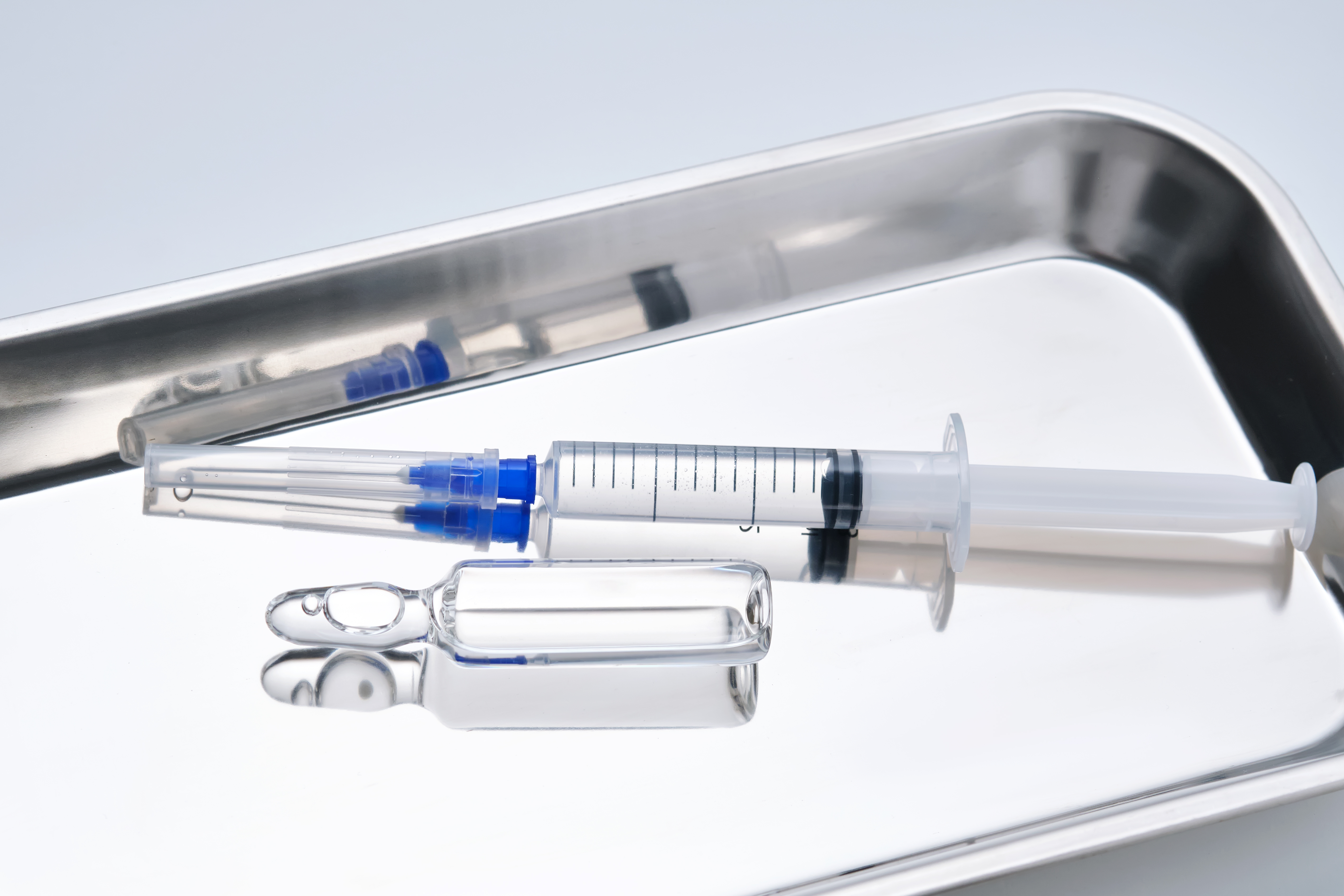
- A new sterile syringe and needle
- Alcohol swabs
- An approved sharps disposal container
Always use a new sterile syringe and needle each time you draw medication or bacteriostatic water. Reusing needles or syringes can increase the risk of contamination and may damage the vial’s rubber stopper.
4. Check Expiry Dates and Packaging
Before opening anything, inspect each item carefully. Confirm that:
- The medication and bacteriostatic water have not expired.
- The vials are free from cracks, leaks, or other damage.
- The solution in the bacteriostatic water vial is clear and free from particles.
- Sterile packaging on syringes and needles is unopened and intact.
If anything appears damaged, contaminated, or expired, do not use it.
5. Confirm the Correct Dosage
Before reconstituting your medication, double-check your prescription or the instructions provided by your healthcare professional. Confirm both the amount of bacteriostatic water required for reconstitution and the dose you have been instructed to administer. Using the correct volume is essential for achieving the intended medication concentration and ensuring accurate dosing.
Step-by-Step to Mixing Medication with Bacteriostatic Water
While the exact instructions may vary depending on the medication, the following steps outline the general process for safely mixing injectable medications with bacteriostatic water:
Step 1: Clean the Vial Stoppers
Before inserting a needle into either vial, clean the rubber stopper on both the medication vial and the bacteriostatic water vial using separate alcohol swabs. Allow the alcohol to air dry completely before proceeding, as this gives the disinfectant enough time to effectively reduce bacteria on the surface.
Step 2: Draw the Correct Amount of Bacteriostatic Water
Using a new sterile syringe and needle, draw the prescribed amount of bacteriostatic water. Always refer to your medication’s instructions or your healthcare provider’s directions to ensure you’re using the correct volume.
Many healthcare professionals recommend first drawing a volume of air equal to the amount of water you’ll be withdrawing. Injecting this air into the bacteriostatic water vial helps equalise the pressure inside the vial, making it easier to withdraw the required amount of liquid accurately.
Take your time and double-check the syringe markings before moving to the next step.
Step 3: Inject Slowly into the Medication Vial
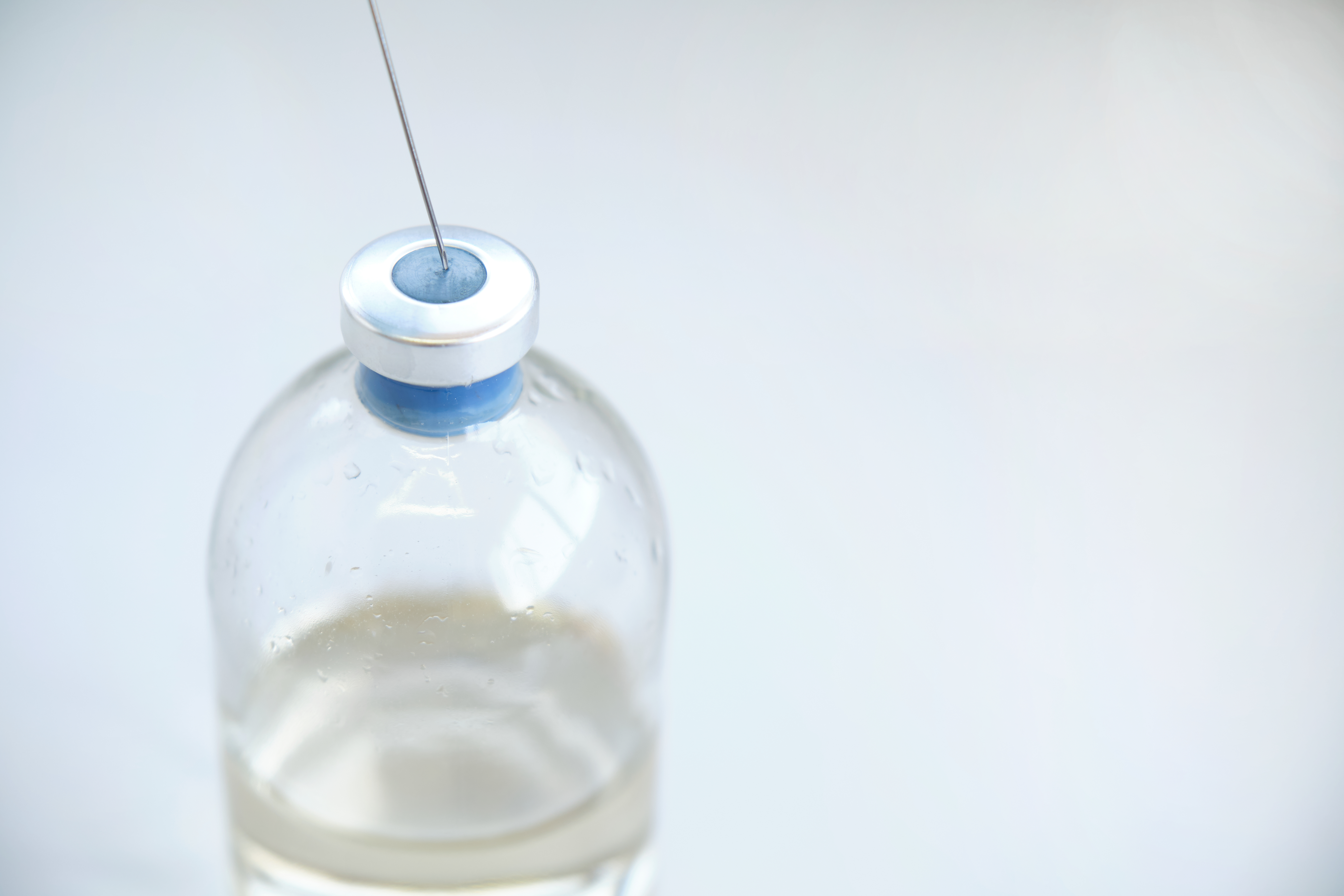
Insert the needle into the medication vial and slowly inject the bacteriostatic water, directing the stream down the inside wall of the vial rather than directly onto the powder.
Adding the diluent slowly helps the powder dissolve more evenly and reduces the likelihood of damaging delicate medications or creating unnecessary bubbles.
Step 4: Avoid Creating Excessive Foam
Injecting the bacteriostatic water too quickly or directly onto the powder can create foam or bubbles within the vial. While this may not affect every medication, excessive agitation can make some medications more difficult to dissolve and, in certain cases, may impact their stability.
During bacteriostatic water reconstitution, a slow, controlled injection can help minimise foaming and supports a smoother preparation process.
Step 5: Gently Swirl Instead of Shaking
Once all of the bacteriostatic water has been added, gently swirl or roll the vial between your fingers until the powder dissolves.
Avoid shaking the vial vigorously. Shaking can introduce air bubbles and foam and may damage medications that are sensitive to agitation. Gentle swirling is usually all that’s needed to help the powder dissolve completely.
Step 6: Ensure the Powder Has Completely Dissolved
Allow the medication time to fully dissolve before using it. While many medications dissolve within a few minutes, others may take longer depending on the formulation.
The solution should appear clear and uniform, with no visible powder, clumps, or floating particles. If necessary, continue gently swirling the vial until the medication has fully dissolved.
Step 7: Inspect the Solution Before Use
Before drawing up your dose, carefully inspect the reconstituted solution in good lighting. It should be clear and free from cloudiness, discolouration, or visible particles unless the manufacturer specifically states otherwise.
If the solution appears unusual, does not dissolve properly, or changes colour, do not administer the medication. Contact your pharmacist or healthcare provider for advice.
If the medication is suitable for multiple uses, label the vial with the date it was reconstituted and store it according to the manufacturer’s instructions, typically in the refrigerator where required. This helps ensure the medication remains safe and effective throughout its recommended storage period.
Concentration, Dosing and How Much Water to Add
One of the most common questions when reconstituting injectable medications is “How much bacteriostatic water should I add?” The answer depends entirely on the medication you’re using.
There is no universal volume that applies to every product, which is why it’s essential to follow the instructions provided by the manufacturer or your prescribing healthcare professional.
Why the Correct Volume Matters
The amount of bacteriostatic water you add determines the concentration of the final solution. This concentration is what allows you to measure and administer the correct dose.
Adding too little water creates a more concentrated solution, while adding too much results in a more diluted one. Either can make it difficult to accurately measure your prescribed dose and increase the risk of dosing errors.
For this reason, never guess the amount of bacteriostatic water to use or rely on information intended for a different medication.
Understanding Concentration Calculations
Concentration simply refers to how much medication is contained in each millilitre (mL) of solution once it has been reconstituted.
In its simplest form, the calculation is:
Amount of medication ÷ Amount of bacteriostatic water = Concentration
For example, if a medication contains 10 mg of active ingredient and is mixed with 2 mL of bacteriostatic water, the resulting concentration is 5 mg per mL.
Knowing the concentration makes it possible to accurately calculate each prescribed dose. While many healthcare providers supply these calculations for patients, understanding the basic principle can help you better follow your treatment plan and reduce the likelihood of errors.
Follow the Manufacturer’s Instructions
Every injectable medication has its own recommended preparation method. Some products specify exactly how much diluent should be added, while others may allow for different volumes depending on the intended use.
Always read the product information before reconstituting your medication and follow the manufacturer’s instructions carefully. Using an alternative volume without professional guidance may affect the medication’s stability, concentration, or effectiveness.
Follow Your Healthcare Provider’s Advice
Your doctor, pharmacist, or other qualified healthcare professional may recommend a specific reconstitution volume based on your prescribed dose, treatment plan, or the type of syringe being used. Their advice should always take precedence over general guidance.
If you’re ever unsure about how much bacteriostatic water to add or how to calculate your dose after reconstitution, stop and seek clarification before administering the medication. Taking a few extra minutes to confirm the correct concentration is far safer than risking an incorrect dose.
Storage, Shelf Life and Common Mistakes to Avoid
Correctly reconstituting your medication is only part of the process. Proper storage and handling afterwards are just as important for maintaining the medication’s stability, effectiveness, and sterility.
Storing Reconstituted Medications
Once your medication has been reconstituted, store it exactly as directed by the manufacturer or your healthcare provider. Many reconstituted injectable medications should be refrigerated, although storage requirements can vary depending on the product.
If refrigeration is required:
- Store the vial in the main compartment of the refrigerator rather than the door, where temperatures fluctuate more frequently.
- Keep the medication away from direct sunlight and heat sources.
- Avoid freezing the solution unless the manufacturer specifically advises otherwise.
💡It’s also good practice to label the vial with the date (and, where appropriate, the time) it was reconstituted. This makes it easier to monitor its recommended storage period and helps prevent accidental use beyond its shelf life.
How Long Does Reconstituted Medication Last?
The usable life of a reconstituted medication depends on the specific product, the diluent used, and the manufacturer’s recommendations. Some medications remain stable for only a few hours, while others may be suitable for use over several days or weeks.
Never assume that all reconstituted medications have the same shelf life. Always refer to the product information or seek advice from your pharmacist or healthcare provider.
If the solution develops cloudiness, visible particles, discolouration, or any other unexpected changes, do not use it,even if it is still within the recommended storage period..
Common Mistakes to Avoid
Many preparation errors are easy to avoid with careful technique and attention to detail. Some of the most common mistakes include:
- Using the wrong diluent. Never substitute tap water, distilled water, or another liquid unless specifically instructed. Always use the diluent recommended for your medication.
- Shaking the vial vigorously. Most injectable medications should be gently swirled rather than shaken to avoid excessive foaming or potential damage to sensitive ingredients.
- Using expired bacteriostatic water or medication. Always check expiry dates before preparing your medication.
- Touching sterile equipment or disinfected vial stoppers. Once cleaned, avoid touching the rubber stopper or sterile needle to help minimise contamination.
- Mixing incompatible medications. Not every medication is designed to be reconstituted with bacteriostatic water. Always follow the manufacturer’s instructions.
- Drawing inaccurate doses. Double-check your measurements and concentration calculations before administering any medication.
- Ignoring changes in the solution. Never use medication that appears cloudy, contains particles, or has changed colour unless this is specifically described as normal by the manufacturer.
- Not choosing a quality product: The quality of the bacteriostatic water you use is just as important as the way you prepare your medication. Always purchase bacteriostatic water from a reputable Australian supplier to ensure it meets recognised quality standards and has been manufactured, packaged, and stored appropriately.
Final Word
While understanding the basics of reconstitution can help you feel more confident, it’s important to remember that there is no one-size-fits-all approach. Different medications have different preparation, storage, and administration requirements, so always follow the manufacturer’s instructions and the guidance provided by your prescribing doctor or pharmacist.
Choose Quality You Can Trust
Safe medication preparation starts with high-quality bacteriostatic water. Our carefully selected range is sourced from trusted manufacturers and meets rigorous quality standards, giving you confidence in every reconstitution. Whether you’re managing treatment at home or sourcing supplies for clinical use, we have reliable options to support your needs. Browse our range today or get in touch with our team for expert guidance on selecting the right product.
Shop Today