When it comes to injection safety, even small decisions can have significant consequences. One of the most common questions people ask is whether a syringe can be safely reused—particularly if it appears clean or has only been used once.
The short answer is no: disposable syringes are not designed to be reused.
A disposable syringe is manufactured to deliver one dose before being discarded. Once the plunger has been used and the needle has come into contact with skin, a vial, or even a rubber stopper, the sterile barrier that made the syringe safe is compromised. Although it may look clean, contamination can occur at a microscopic level and cannot be reliably removed outside of specialised medical sterilisation processes.
In this guide, we’ll explain why syringes are intended for single use, what happens to a syringe after a single injection, the health risks associated with reusing syringes or needles, and the limited exceptions that exist in specialised healthcare settings (which do not apply to the disposable syringes commonly sold over the counter or online.)
Key Takeaways
- No. Disposable syringes are single use medical devices, and reusing one, even on yourself, breaks the sterility the manufacturer built in.
- The needle dulls after one pass through a stopper or skin, so a fresh syringe on an old needle doesn’t solve the problem.
- Reuse raises the risk of infection, cross contamination, and bloodborne viruses such as hepatitis B, hepatitis C, and HIV.
- A handful of specialised reusable devices exist in clinical settings, but standard disposable syringes sold to the public are not among them.
- Used syringes go in a proper sharps container, never the household bin, and most states offer free or low cost drop off points.
About Syringes
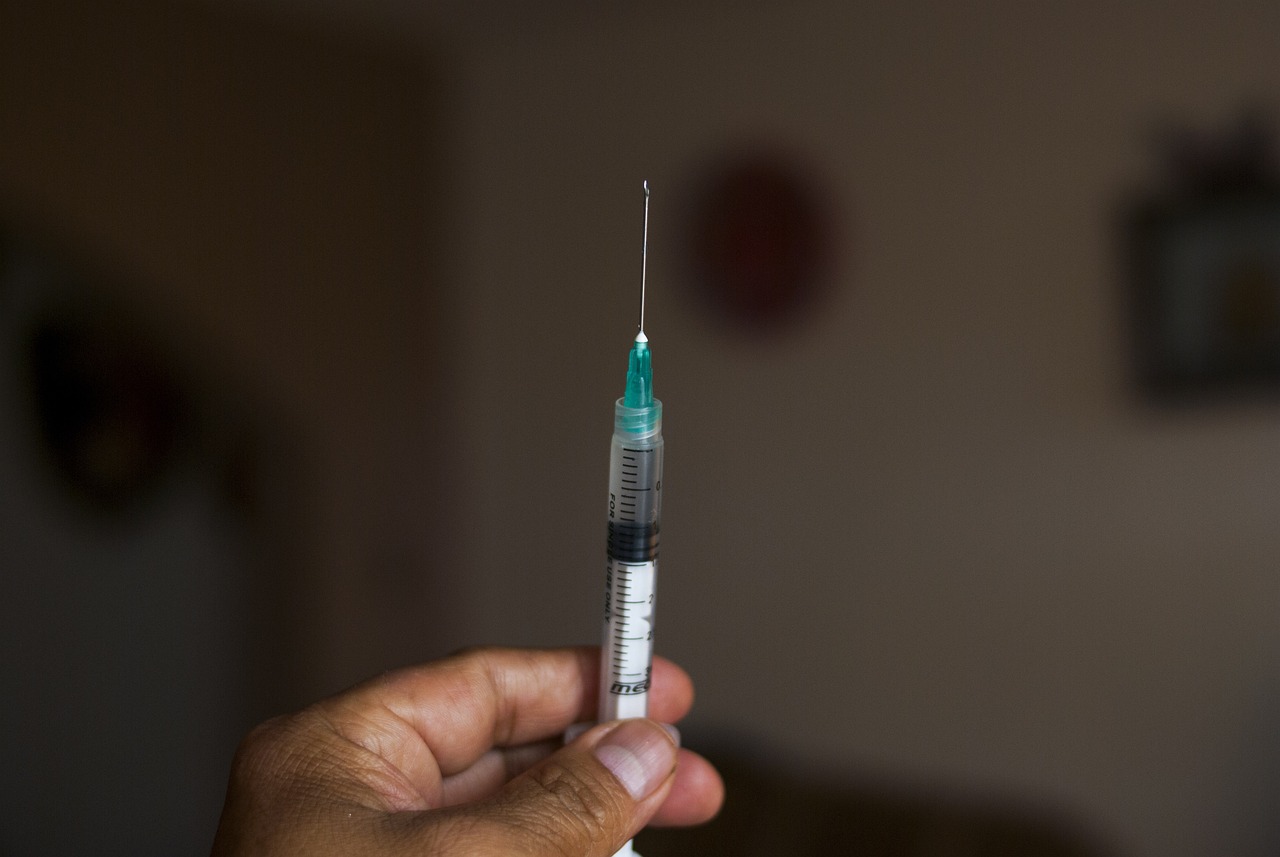
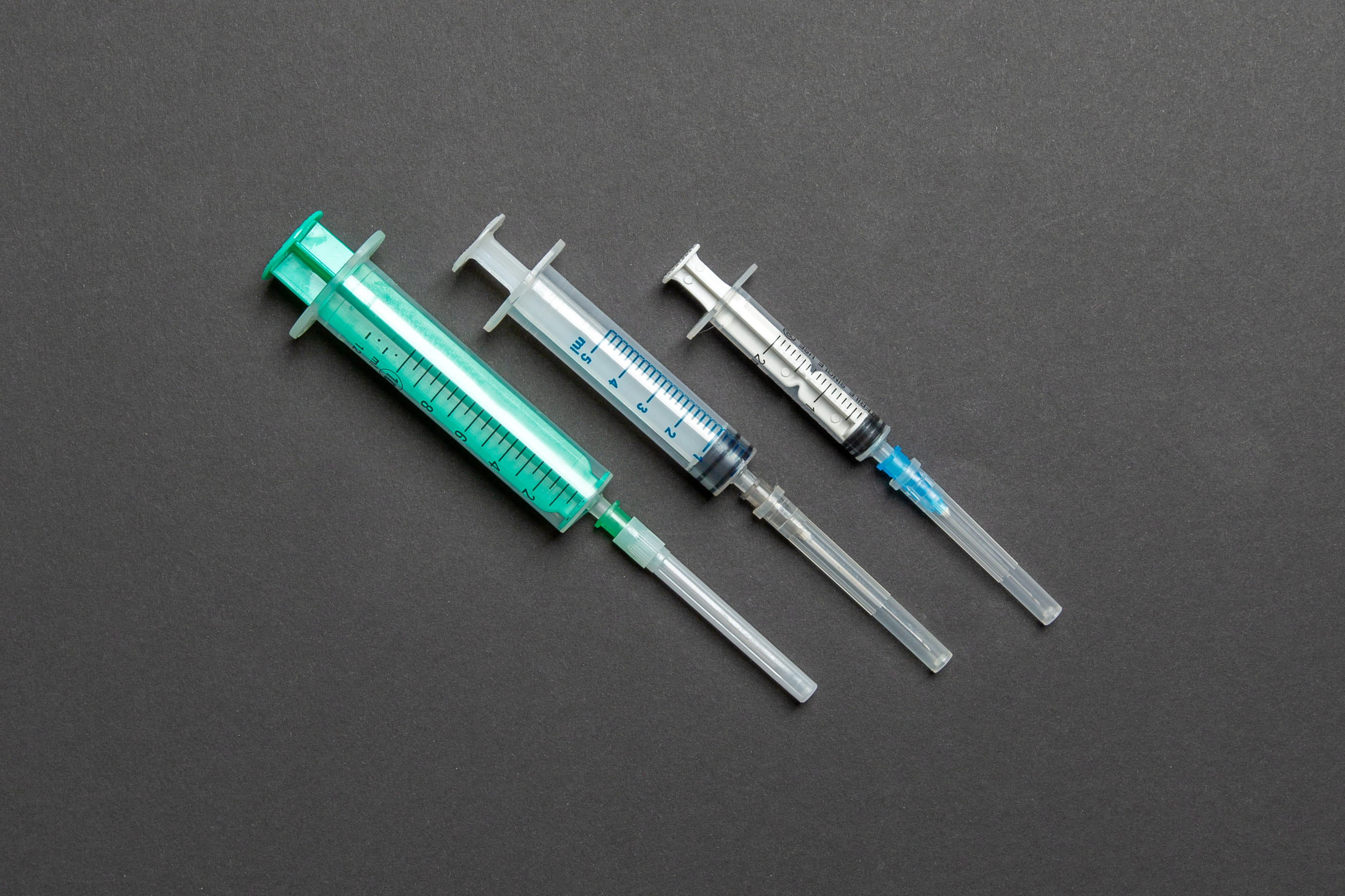
A typical syringe consists of a barrel, plunger, and needle (or, in some cases, a blunt tip or oral adapter). Together, these components create a sealed system that allows liquid to be drawn into the barrel and delivered with controlled pressure.
The Main Parts of a Syringe
Each part of a syringe has a specific role in ensuring accurate, safe administration:
- Barrel: The clear tube that holds the medication or fluid. It has graduated measurement markings, allowing users to accurately measure the required dose.
- Plunger: Fits snugly inside the barrel and creates the pressure needed to draw liquid into the syringe and dispense it during use.
- Needle: The component that penetrates a vial’s rubber stopper or the skin to deliver the medication. Because it comes into direct contact with surfaces and tissue, it is the part most affected by a single use.
Common Types of Syringes
Syringes are available in several designs to suit different medical applications:
- Luer lock syringes feature a threaded connection that securely twists the needle into place, reducing the risk of it disconnecting during use.
- Luer slip syringes use a push-fit connection, making them quicker to assemble but generally less secure when higher pressure is applied.
- Insulin syringes are specifically designed for insulin administration. They are calibrated in units rather than millilitres and typically have an ultra-fine, permanently attached needle for precise dosing.
How Syringes Differ From Needles
Although they’re often discussed together, a syringe and a needle are two separate components that serve different purposes.
The syringe is responsible for measuring and delivering the fluid, while the needle is designed to pierce a rubber vial stopper or the skin. After just one use, the needle’s extremely fine tip begins to dull, even if the damage isn’t visible to the naked eye. At the same time, both the needle and the syringe lose their sterile status once they come into contact with a vial, skin, or any other surface.
This distinction is important because many people assume that simply replacing the needle makes a used syringe safe to use again. However, both the syringe and the needle are intended for single use, and replacing one component does not restore the sterility of the other. Understanding this helps explain why healthcare professionals recommend using a new, sterile syringe and needle for every injection.
Can Syringes Be Reused?
No. Standard disposable syringes are designed, packaged, and regulated as single use devices. Reusing one, even on yourself with the same medication, breaks the sterility guarantee and increases your risk of infection.
Why Most Syringes Are Intended for Single Use
Disposable syringes are designed, tested, and approved to be used once only. From the materials they’re made from to the way they’re sterilised and packaged, every aspect of their design is based on a single-use lifecycle. Once that sterile packaging is opened and the syringe is used, it can no longer be guaranteed to perform safely as intended.
In Australia, syringes are regulated as medical devices under the Therapeutic Goods Act 1989 and must be included on the Australian Register of Therapeutic Goods (ARTG) before they can be supplied. As part of this approval process, manufacturers demonstrate that the syringe is safe and effective when used exactly as intended; that is, once, straight from its sealed packaging. Reusing a disposable syringe falls outside those tested conditions, meaning the manufacturer’s assurances around sterility, safety, and performance no longer apply.
What Happens to a Syringe After One Use?
Even after a single injection, a syringe undergoes changes that aren’t always visible.
As soon as the syringe comes into contact with a medication vial, rubber stopper, skin, or bodily fluids, its sterile barrier is broken. Microscopic traces of medication, blood, or tissue can remain inside the barrel, around the plunger seal, and within the narrow opening of the needle. These residues are often impossible to see and cannot be completely removed through routine cleaning.
Repeated use can also affect the syringe itself. The plunger seal begins to wear after its first use, which may reduce the smoothness and accuracy of drawing up or dispensing medication. While these changes may seem minor, they can compromise both the performance of the syringe and the safety of the injection.
Why Cleaning a Used Syringe Isn’t Enough
A common misconception is that a used syringe can be made safe simply by cleaning it. Unfortunately, this isn’t the case.
Wiping the needle with an alcohol swab may remove some visible residue, but it cannot sterilise the inside of the needle or the syringe barrel where microscopic contaminants can remain. Alcohol can also strip away the needle’s thin silicone coating, which is applied during manufacturing to help minimise friction during injection. As a result, a reused needle is often less comfortable and may cause more tissue damage than a new one.
Similarly, methods such as boiling or soaking a disposable syringe do not restore it to a sterile, reusable condition. Disposable syringes are not designed to withstand medical-grade sterilisation processes, and sterilising single-use medical devices is a highly specialised procedure performed only under strict regulatory controls.
For these reasons, the safest approach is also the simplest: use a new, sterile syringe and needle for every injection.
What Are the Risks of Reusing a Syringe?
Reusing a syringe can increase the risk of infection, reduce the accuracy of medication delivery, and, in some cases, lead to serious health complications.
- Increased Risk of Infection: Once a syringe has been used, it can introduce bacteria directly beneath the skin during subsequent injections. This increases the risk of injection-site infections such as redness, swelling, cellulitis, or abscesses, some of which may require medical treatment if left untreated.
- Cross Contamination Between Users: Sharing a syringe between people carries a significant risk of transmitting blood-borne viruses, including hepatitis B, hepatitis C, and HIV. Even microscopic amounts of blood left inside a used syringe or needle can spread infection, which is why syringes and needles should never be shared.
- Dull or Damaged Needles: A needle begins to dull as soon as it passes through a rubber vial stopper or the skin. Reusing it can make injections more painful, increase tissue damage, and require greater force to penetrate the skin, even if the needle appears undamaged.
- Reduced Sterility and Performance: Beyond infection risk, a reused syringe simply performs worse. Plunger seals that have already compressed once don’t seal as tightly the second time, which can mean air pockets, inaccurate dosing, or fluid leaking back past the plunger instead of being delivered.
- Potential Health Complications: If an infection develops and isn’t treated promptly, it can spread beyond the injection site and, in rare cases, lead to serious complications such as sepsis. Although severe outcomes aren’t common, they’re entirely preventable by using a new, sterile syringe and needle for every injection.
Other Common Questions About Reusing Syringes
Can You Reuse a Syringe on the Same Person?
The short answer is no. Even if you’re using the syringe on yourself, it should not be reused. While many people assume there’s no risk because it’s “their own blood,” the concern isn’t limited to cross-contamination between people. Once a syringe has been used, it can carry bacteria from your skin, the surrounding environment, or the medication vial, increasing the risk of infection with every subsequent use.
Can You Reuse a Needle If You Replace the Syringe?
While the needle is the only part of the device that pierces a vial stopper and the skin, replacing the syringe while reusing the same needle does not make the injection safe. Although the syringe and needle are separate components, they’re designed to work as a single sterile unit. Once the needle has been used, the whole unit needs to be replaced.
Are There Any Exceptions to Single Use Syringes?
There are a very limited number of genuinely reusable injecting devices and don’t apply to the disposable plastic syringes commonly used at home. While some specialised injection devices are designed to be reused, they are specifically engineered, tested, and labelled for repeated use under controlled conditions. Standard disposable syringes are not.
- Reusable Medical Devices in Clinical Settings: Certain medical devices, such as some multi-dose injector pens and specialised equipment used in healthcare, veterinary medicine, or laboratories, are designed for repeated use. These devices are manufactured with reusable components and are intended to undergo strict cleaning and sterilisation procedures between uses.
- Specialised Equipment Designed for Sterilisation: Some reusable syringes are made from materials such as glass or stainless steel, allowing them to be fully dismantled and sterilised using high-temperature, medical-grade autoclaves. These devices are primarily used in specialised laboratory or veterinary settings and require validated sterilisation protocols performed by trained professionals.
Why These Exceptions Don’t Apply to Standard Disposable Syringes
A standard plastic disposable syringe, like the ones sold for home use, isn’t built from autoclave-rated materials, isn’t tested against a reprocessing standard, and isn’t labelled for anything other than single use. Applying a laboratory sterilisation process to a device that was never designed for it doesn’t make it safe. It just adds a false sense of confidence.
How to Safely Dispose of Used Syringes
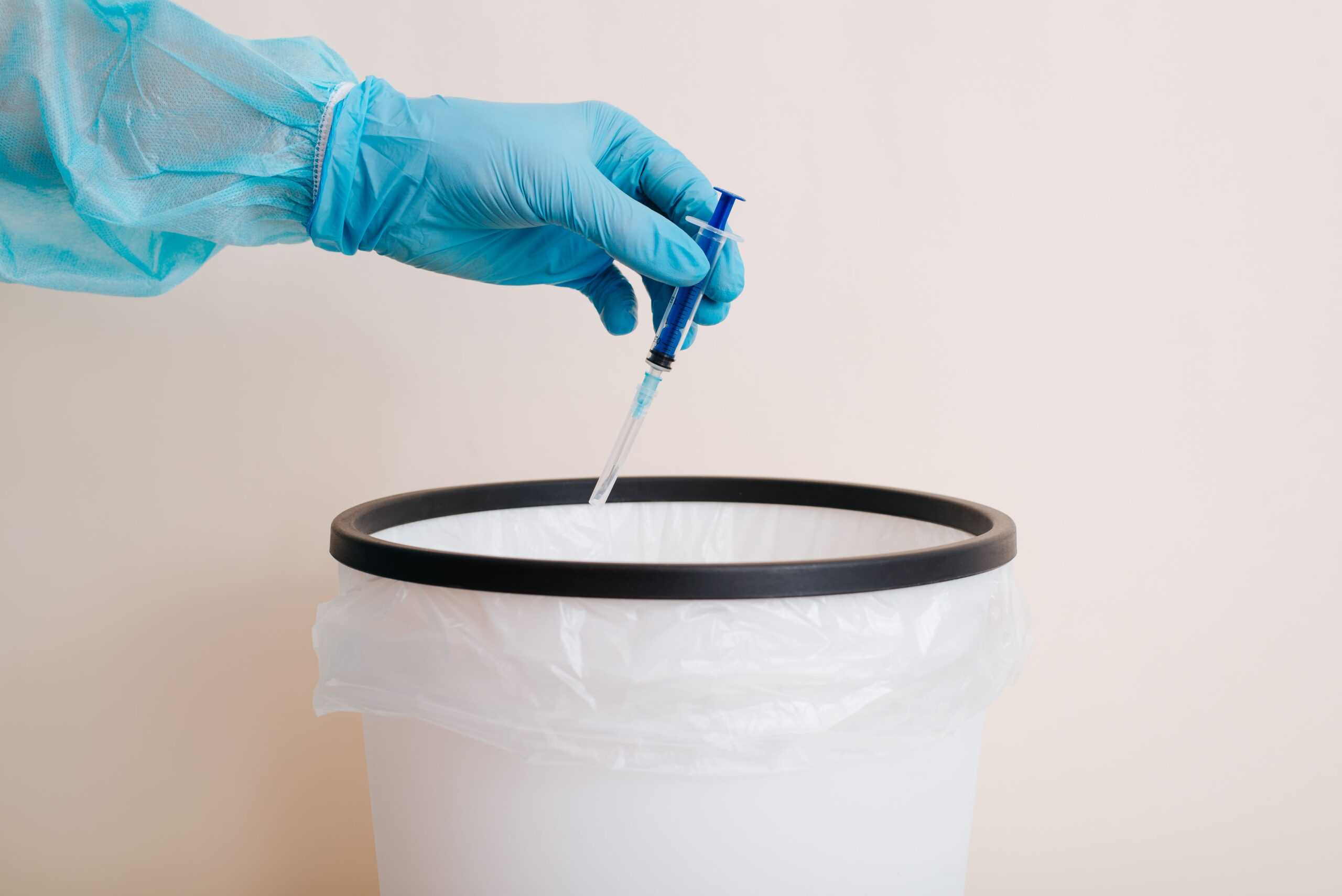
Proper disposal is just as important to help prevent accidental needlestick injuries and protect family members, waste handlers, healthcare workers, and the wider community. Every used syringe should be treated as clinical sharps waste and disposed of responsibly.
Why Proper Disposal Matters
Once a syringe has been used, it becomes a potential health hazard. Used needles can carry bacteria or blood-borne pathogens, and if they’re discarded incorrectly, they can injure anyone who comes into contact with them. In Australia, used syringes are classified as clinical sharps waste, and they should never be placed in household recycling or general waste bins.
Using Sharps Containers Correctly
After use, place the entire syringe and needle assembly directly into a rigid, puncture-resistant sharps container without attempting to recap, bend, or remove the needle. Purpose-built sharps containers are the safest option for home use, helping to minimise the risk of accidental injury during storage and disposal.
Local Disposal and Collection Options
Many pharmacies, hospitals, community health centres, and local councils across Australia provide sharps disposal services or collection points for household medical waste. If you’re unsure where to dispose of used syringes, check with your local council or pharmacy for the nearest approved disposal location.
What Never to Do With Used Syringes
Never place used syringes in your household rubbish or recycling bin, flush them down the toilet, or attempt to recap the needle after use. These practices increase the risk of accidental needlestick injuries and can create unnecessary hazards for others. Disposing of syringes correctly is a simple but essential step in protecting both your health and the safety of your community.
Tips for Safe Syringe Handling
Using a sterile syringe is only part of safe injection practice. How you handle, store, and dispose of your syringe also plays an important role in reducing the risk of contamination, injury, and dosing errors. Following a few simple precautions can help ensure every injection is as safe as possible.
- Check the Packaging Before Use: Always inspect the syringe before opening it. If the packaging is torn, damp, punctured, or appears to have been opened, do not use it. A damaged seal means the syringe can no longer be guaranteed to be sterile.
- Practise Good Hand Hygiene: Wash your hands thoroughly with soap and running water before handling a syringe or preparing medication. Clean hands help minimise the risk of introducing bacteria during the injection process.
- Handle the Needle Safely: Always keep the needle pointed away from yourself and others, and avoid touching the sterile needle or syringe tip. Once the protective cap has been removed, take care not to let the needle come into contact with any surface before use.
- Avoid Overfilling the Syringe: Only draw up the amount of liquid required for the intended injection.
- Never Pass an Unprotected Syringe by Hand: If a syringe needs to be transferred to another person, avoid handing it directly from one person to another. Instead, place it on a clean tray or designated surface so it can be picked up safely, reducing the risk of accidental needlestick injuries.
- Dispose of Syringes Immediately After Use: As soon as the injection is complete, place the entire syringe and needle into an approved sharps container. Never leave used syringes unattended, attempt to recap the needle, or dispose of them in household rubbish or recycling. Proper disposal protects both you and those around you from unnecessary injury and contamination.
When to Seek Medical Advice
Signs of Infection After an Injection
Watch for redness that spreads rather than fades, warmth, swelling, pus, or increasing pain at the injection site over the following days. Fever or feeling generally unwell alongside any of these is worth acting on quickly.
What to Do If a Used Syringe Was Accidentally Reused
If you’ve realised after the fact that a syringe was reused, don’t panic, but don’t ignore it either. Clean the injection site with soap and water, monitor it over the next 48 to 72 hours, and contact your GP or a nurse line for advice, particularly if the syringe may have been used by, or on, more than one person.
When to Contact a Healthcare Professional
While using a new, sterile syringe for every injection greatly reduces the risk of complications, it’s important to know when to seek medical advice if something doesn’t seem right. Prompt treatment can help prevent minor issues from developing into more serious infections.
- Signs of Infection After an Injection: Keep an eye on the injection site over the following few days. Seek medical advice if you notice increasing redness, warmth, swelling, pain, or pus, particularly if the symptoms worsen instead of improving. If these signs are accompanied by a fever, chills, or feeling generally unwell, it’s important to seek medical attention promptly.
- What to Do If a Used Syringe Was Accidentally Reused: If you realise that a syringe or needle has been reused, try not to panic. Wash the injection site with soap and water, monitor it closely over the next 48 to 72 hours, and seek advice from a healthcare professional. If the syringe may have been used by another person, it’s especially important to obtain medical advice as soon as possible due to the potential risk of blood-borne infections.
- When to Contact a Healthcare Professional: Contact your GP, pharmacist, or another qualified healthcare professional if you develop signs of infection, suspect a syringe may have been reused, or have any concerns about your injection technique or equipment. While general guidance can help you understand best practices, personalised medical advice is always the safest option when your health is involved.
Conclusion & Key Takeaways
When it comes to syringes, the safest approach is also the simplest: use a new, sterile syringe and needle for every injection. Disposable syringes are designed, tested, and approved for single use only, and reusing them can increase the risk of infection, inaccurate dosing, tissue damage, and other avoidable complications.
Although a used syringe may appear clean, its sterility cannot be restored through home cleaning or disinfection. Whether you’re administering medication, preparing an injection, or managing an ongoing treatment plan, having an adequate supply of sterile syringes and disposing of them correctly are essential steps in protecting your health and the safety of those around you.
If you’re ever unsure about the correct syringe to use or have questions about safe injection practices, speak with your healthcare provider or pharmacist. Making informed choices and following recommended guidelines will help ensure every injection is performed as safely as possible.